
AI Careers for Nurses: How to Transition Beyond the Bedside
Nurses can transition into AI careers without learning to code. Clinical experience with workflows, patient safety, and documentation makes nurses valuable in roles like nurse informaticist, clinical AI consultant, healthcare AI product manager, and AI educator. The future of nursing isn't leaving healthcare, it's expanding what a healthcare career can look like.

Key Takeaways
- Healthcare AI needs clinical insight, not just engineers, so nurses have a real advantage.
- Roles include nurse informaticist, clinical AI consultant, and healthcare AI product manager.
- You don't need another degree; build on the skills you already have.
- Start small, follow AI leaders, join communities, and find mentors.
💡 Nurses can transition into AI careers without learning to code. Clinical experience with workflows, patient safety, and documentation makes nurses valuable in roles like nurse informaticist, clinical AI consultant, healthcare AI product manager, and AI educator. The future of nursing isn't leaving healthcare, it's expanding what a healthcare career can look like.
For decades, nursing careers have largely followed a familiar path. Graduate.
Pass the NCLEX. Work at the bedside.
Advance into leadership, education, or case management.
But artificial intelligence is changing that trajectory. Today, nurses are helping build AI products, improve clinical workflows, design healthcare software, optimize electronic medical records, consult with startups, and even launch technology businesses of their own.
The future of nursing isn't leaving healthcare. It's expanding what healthcare careers can look like.
In a recent episode of the Inside Home Health podcast, nurse consultant and healthcare innovator Timi Abiola shared how he transitioned from bedside nursing into AI, healthcare informatics, and entrepreneurship, and why he believes thousands of nurses are uniquely positioned to do the same. Here's what every registered nurse should know.
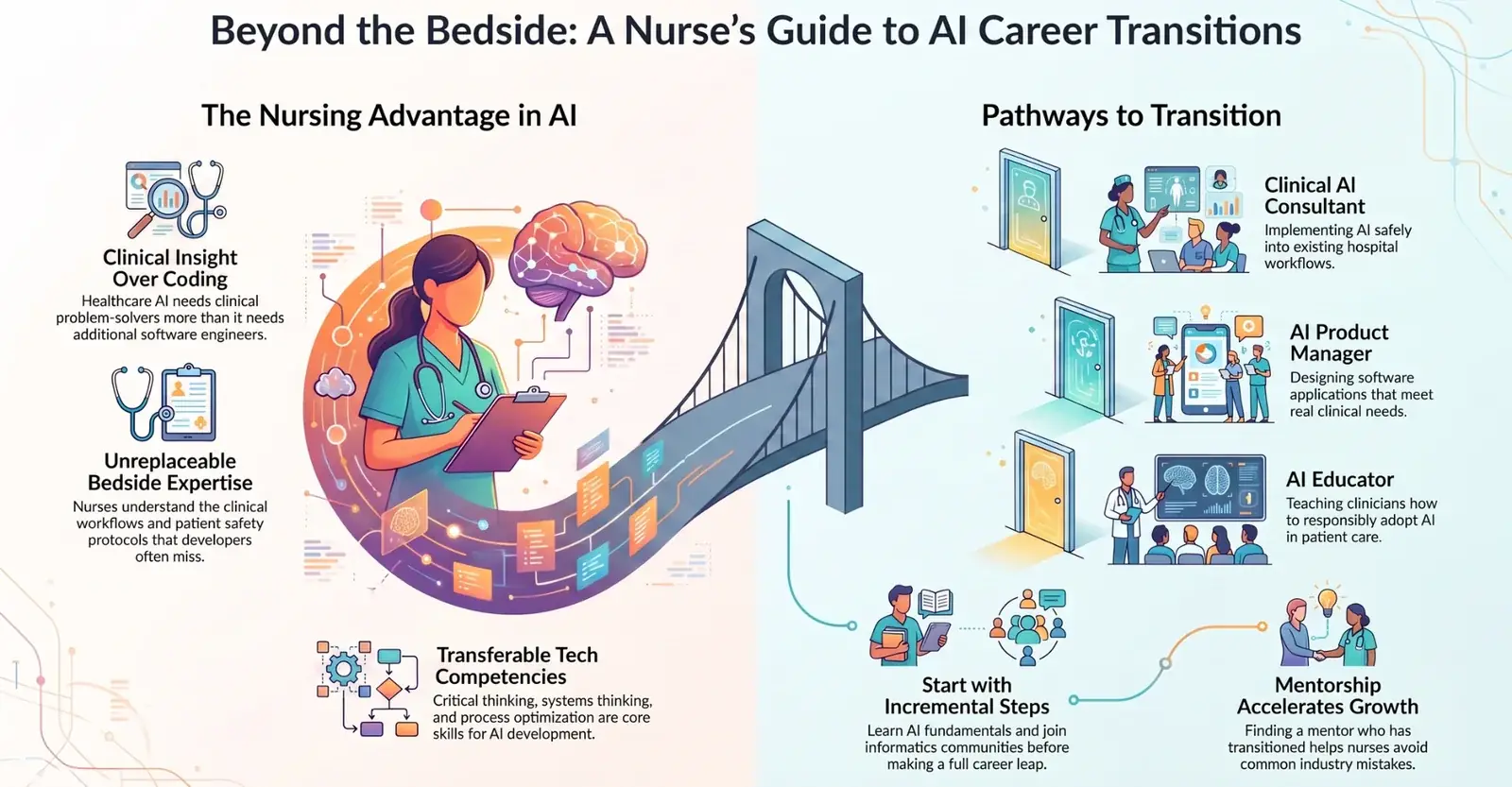
Beyond the bedside: the nursing advantage in AI, and the pathways that turn it into a new career.
Why AI Needs Nurses More Than Ever
When people think about artificial intelligence, they usually picture software engineers. Healthcare works differently.
Healthcare AI isn't just about writing code. It's about solving clinical problems.
Every AI tool used in healthcare must understand:
- Clinical workflows.
- Patient safety.
- Documentation.
- Regulations.
- Communication.
- Human behavior.
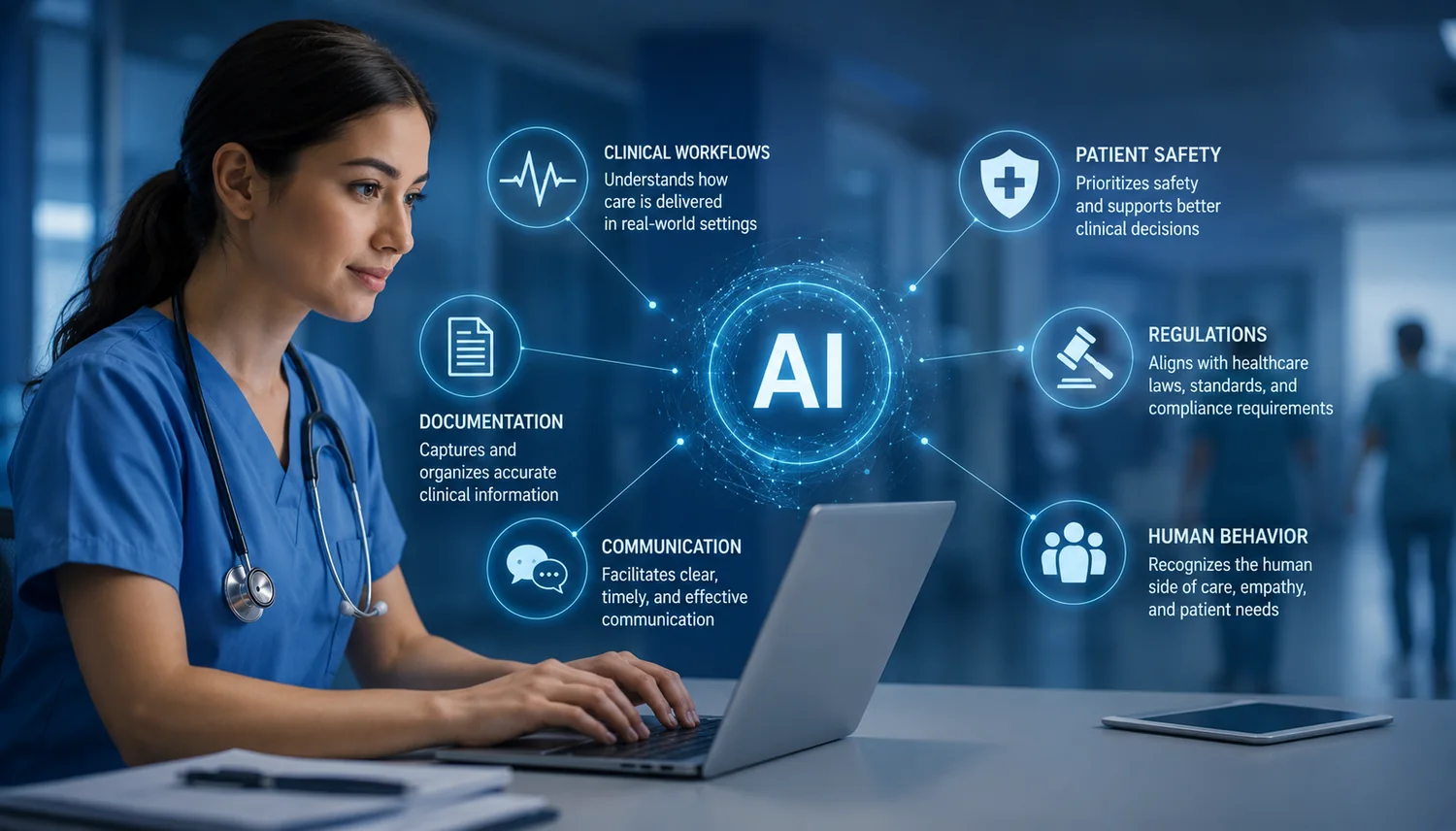
Healthcare AI only works when it understands the systems nurses live in every day.
That's exactly where nurses bring an advantage. As Timi explains, nurses spend their careers working inside the very systems AI is trying to improve.
Whether it's documentation, patient communication, care coordination, or electronic medical records, nurses understand the pain points better than almost anyone.
Without clinical insight, even the most advanced technology can miss what truly matters.
You Don't Need to Learn Software Engineering
One of the biggest myths preventing nurses from entering technology is the belief that they need a computer science degree. They don't.
Timi never returned to school for software engineering. Instead, he focused on learning how AI tools could amplify the expertise he already had.
His first AI project wasn't a healthcare platform. It was a custom AI interview coach designed to help nurses prepare for career transitions.
Later, he expanded into voice AI, resume optimization, and career coaching tools built specifically for nurses.
Use your nursing knowledge first. Learn the technology second.
Clinical expertise is often the hardest skill to replace.
AI Careers Nurses Can Pursue
Artificial intelligence is creating entirely new career paths across healthcare. Some of the fastest-growing opportunities include:
Clinical AI Consultant
Help healthcare organizations implement AI safely into clinical workflows.
Nurse Informaticist
Bridge the gap between clinicians and technology teams while improving EMR systems and documentation workflows.
Healthcare AI Product Manager
Work with software companies designing healthcare applications.
Clinical Workflow Specialist
Ensure AI tools actually fit into real nursing workflows instead of disrupting them.
Healthcare Startup Advisor
Many AI startups actively seek experienced nurses to validate products before launch.
AI Education and Training
Teach clinicians how to responsibly adopt AI in patient care.
Healthcare Content and Consulting
Many nurses are building businesses around AI education, consulting, and digital products.
These opportunities often provide greater flexibility while allowing nurses to continue making an impact on patient care.
Why Nursing Experience Is a Competitive Advantage
Healthcare technology companies don't simply need technical expertise. They need people who understand healthcare.
Timi shared that much of his success came from recognizing that nursing had already equipped him with valuable skills.
Nurses naturally develop:
- Critical thinking.
- Clinical decision-making.
- Communication.
- Documentation.
- Systems thinking.
- Quality improvement.
- Process optimization.
These competencies translate directly into healthcare AI careers. Rather than starting over, nurses can build on what they already know.
The AI Revolution Looks a Lot Like the EMR Revolution
When electronic medical records first appeared, many clinicians worried technology would interfere with patient care. Today, it's difficult to imagine healthcare without EMRs.
Timi believes AI is following a similar path. Initial skepticism is understandable.
But over time, AI will likely become another essential tool that supports clinicians rather than replacing them. The key difference is how organizations choose to implement it: AI should reduce administrative burden, not replace clinical judgment.
Start Small Before Making a Career Change
Transitioning into healthcare AI doesn't require quitting your nursing job tomorrow. Instead, Timi recommends taking incremental steps.
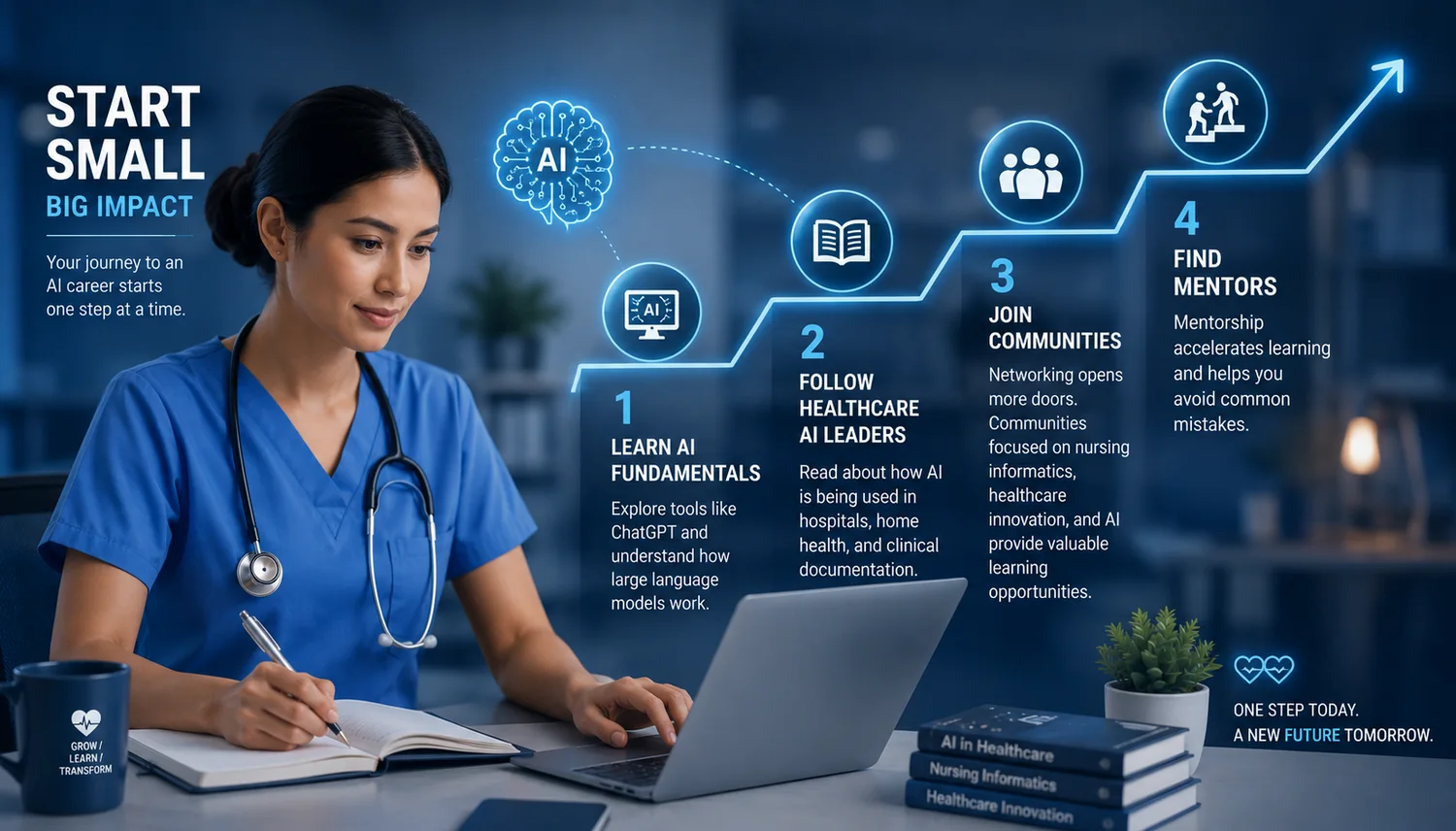
Start small, big impact: the incremental steps from AI fundamentals to finding mentors.
Learn AI Fundamentals
Explore tools like ChatGPT and understand how large language models work.
Follow Healthcare AI Leaders
Read about how AI is being used in hospitals, home health, and clinical documentation.
Join Communities
Networking often opens more doors than applying blindly to job postings. Communities focused on nursing informatics, healthcare innovation, and AI provide valuable learning opportunities.
Find Mentors
One of Timi's strongest messages throughout the podcast was the importance of mentorship. Every major career leap he made happened after finding someone who had already walked that path.
Mentorship accelerates learning while helping nurses avoid common mistakes.
Think Beyond Traditional Nursing Roles
Many nurses believe bedside care is the only meaningful way to contribute. It isn't.
- Healthcare needs clinicians in technology.
- Healthcare needs nurses designing better software.
- Healthcare needs nurses evaluating AI outputs.
- Healthcare needs nurses improving documentation systems.
- Healthcare needs nurses helping engineers understand real clinical workflows.
The impact may look different, but the mission remains the same: improving patient outcomes.
AI Doesn't Replace Nurses. It Expands Their Influence
Artificial intelligence isn't creating fewer opportunities for nurses. It's creating different ones.
As healthcare becomes increasingly digital, organizations need professionals who understand both patient care and technology. That combination is rare, and it's becoming more valuable every year.
For nurses who are curious, adaptable, and willing to learn, AI represents an opportunity to shape the future of healthcare rather than simply react to it.
Lessons Every Nurse Can Apply Today
Timi closed the conversation with advice that extends beyond AI. He encouraged nurses to:
- Get involved in quality improvement and innovation initiatives.
- Network with professionals already working in healthcare technology.
- Research new career paths before making a transition.
- Find mentors who have successfully navigated similar journeys.
- Stop saying, 'I'm just a nurse.'.
Because nurses bring far more than clinical skills. They bring empathy, systems thinking, leadership, and problem-solving, qualities that artificial intelligence cannot replace.
The Future of Nursing Is Bigger Than the Bedside
Healthcare is entering one of its biggest technological shifts in decades. Organizations are investing in AI-powered documentation, clinical decision support, workflow automation, and digital health platforms.
Behind every successful innovation is someone who understands how healthcare actually works. That's why nurses belong at the center of this transformation.
Whether you pursue nurse informatics, healthcare AI consulting, product development, or entrepreneurship, your clinical experience may be the most valuable qualification you already have. The future of nursing isn't about choosing between patient care and technology.
It's about using technology to make patient care better.
The takeaway: your clinical experience may be the most valuable qualification you already have.
🚀 Curious how nurses shape better healthcare AI? At Copper Digital, we build AI tools around real clinical workflows, with human-in-the-loop review and nurses at the table. Explore AI tools for home health nurses, see our approach to compliance and human oversight, or talk to our team.
Home Health Documentation Playbook
The complete guide to OASIS-E, Medicare compliance, PDGM, and AI-assisted documentation. Learn how top agencies reduce documentation time without sacrificing compliance.
Bottom Line
Nurses can move into AI and informatics careers without learning to code, because their clinical expertise is exactly what healthcare AI teams need most.

Watch the Full Conversation
AI Won't Replace Nurses, But Nurses Using AI Will
Arvind Sarin and Timi Abiola on why AI won't replace nurses but the nurses who use it will pull ahead, and how clinicians can turn their skillset into new opportunities.

Timi Abiola is a nurse consultant and healthcare innovator who transitioned from bedside nursing into AI, healthcare informatics, and entrepreneurship. He builds AI tools for nurses, including a custom AI interview coach and career-coaching platforms, and helps clinicians turn their skillset into new opportunities in healthcare technology.
Frequently asked
Frequently asked questions
Yes. Many AI roles focus on clinical workflows, product design, informatics, implementation, quality improvement, education, and consulting rather than software development.
Join the conversation
Leave a comment
No comments yet. Be the first to share your thoughts.
Related reading
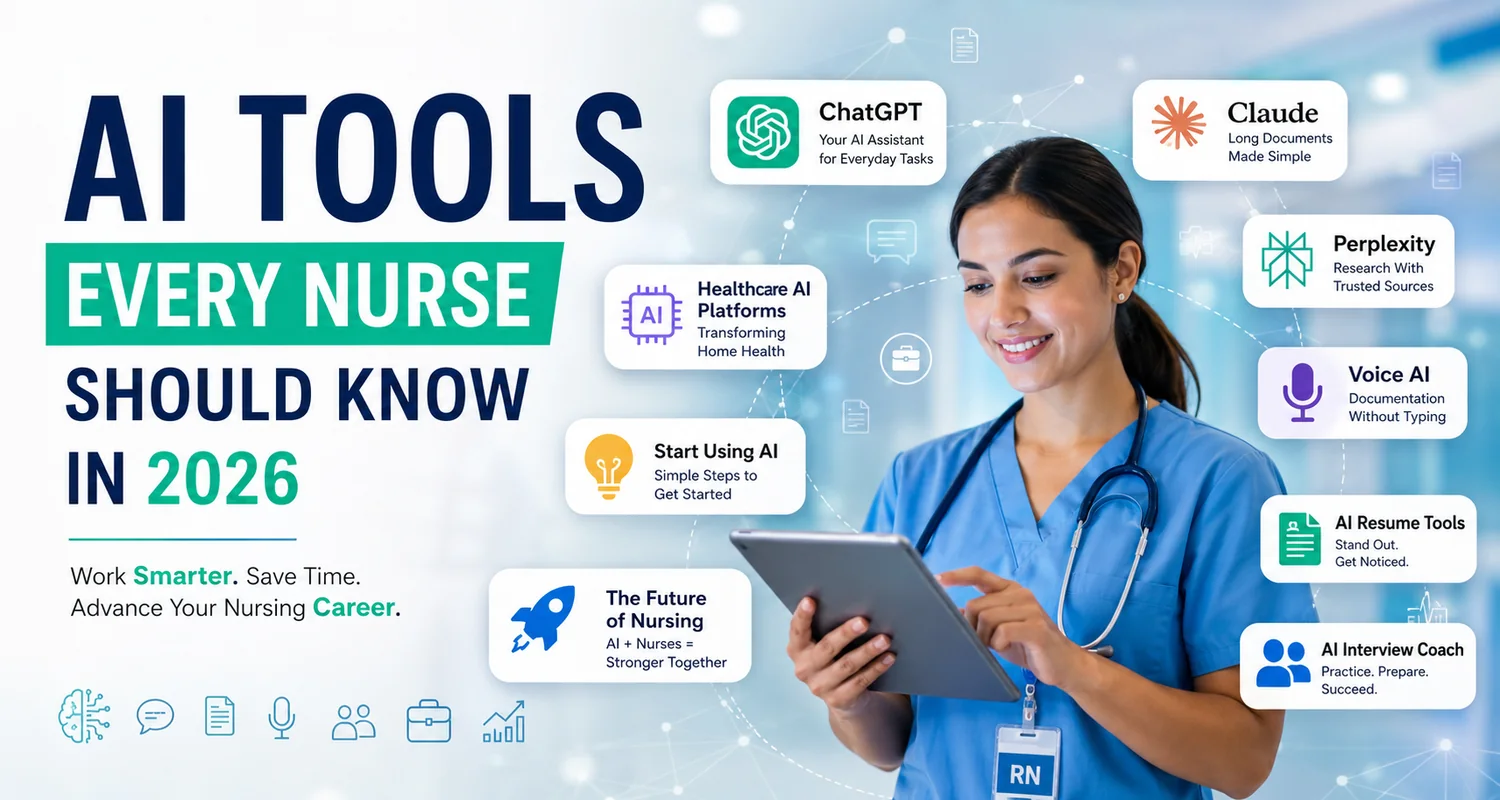
AI Tools Every Nurse Should Know in 2026
The best AI tools for nurses in 2026 include ChatGPT for learning and career prep, Claude for long documents, Perplexity for cited research, voice AI for documentation, AI resume and interview coaching tools for career transitions, and human-in-the-loop healthcare AI platforms like Copper Digital for home health documentation. You don't need a computer science degree to benefit from any of them.
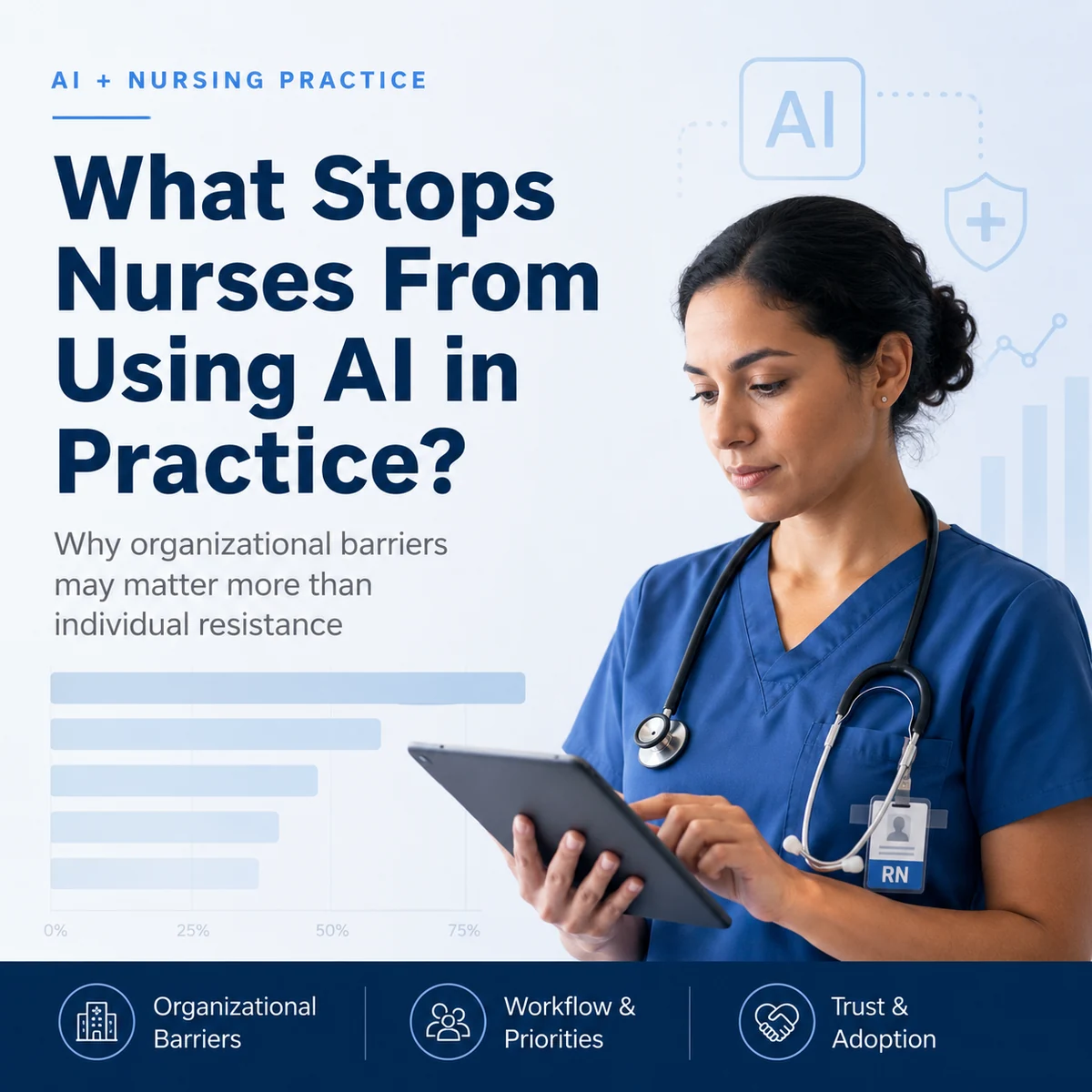
What Stops Nurses From Using AI in Practice?
AI adoption is usually framed as a clinician problem, but a 42-nurse course evaluation found the top barrier was organizational policy and IT restrictions (21 of 42), not distrust or fear. This guide breaks down 12 real barriers (governance, patient trust, competing priorities, time, workflow friction, privacy, burnout, and more) and the seven conditions that make nurses actually adopt AI.
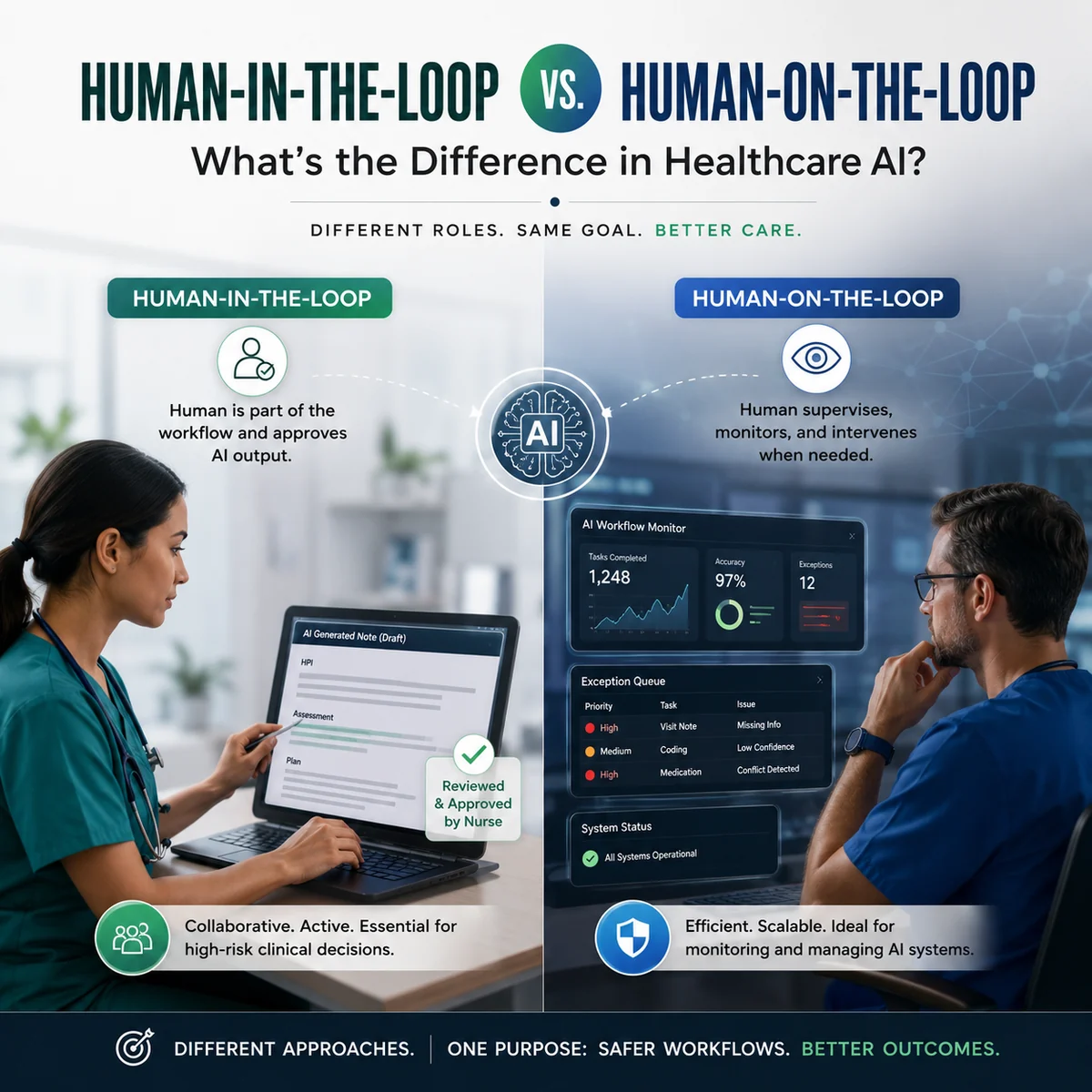
Human-in-the-Loop vs. Human-on-the-Loop: What's the Difference in Healthcare AI?
As healthcare adopts more AI, the key question isn't humans vs. AI — it's where the human belongs in the workflow. This guide explains human-in-the-loop vs. human-on-the-loop AI: how each works, the trade-offs, the risks (including automation bias), and how to match human oversight to clinical risk.