
Blog
Dec 5, 2025
What Patients Are Secretly Asking About Home Health

Arvind Sarin
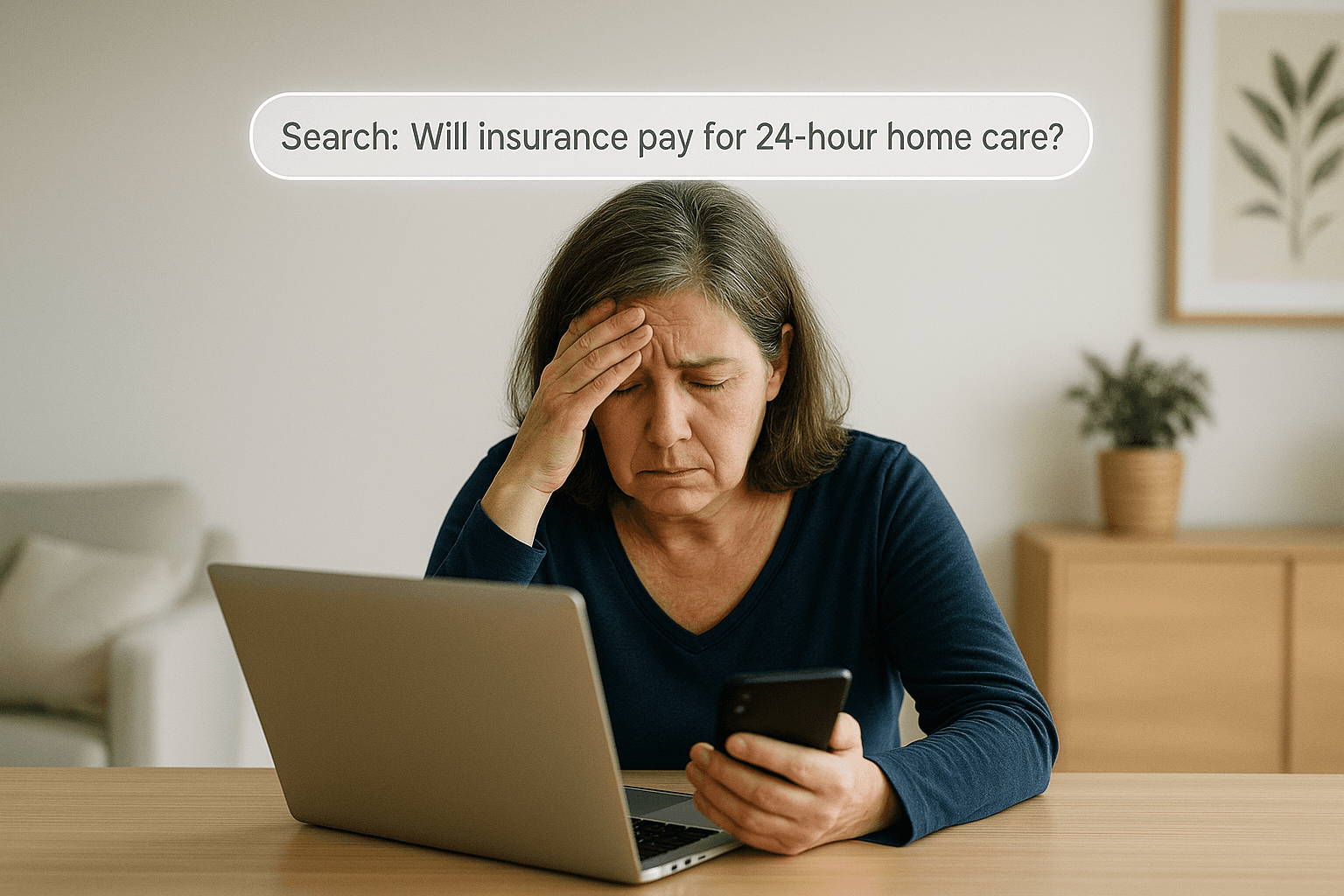
If you want to know what your patients are actually worried about, do not look at your intake forms. Look at their search history.
Every day, thousands of families turn to Google with the questions they are too afraid or overwhelmed to ask a discharge planner. These queries are raw and specific.
We analyzed the top search trends for 2024 and 2025 to uncover the exact questions driving patient behavior. The data reveal a massive gap between what agencies say and what patients ask. While agencies tout clinical excellence, patients are searching for answers about eligibility and logistics.
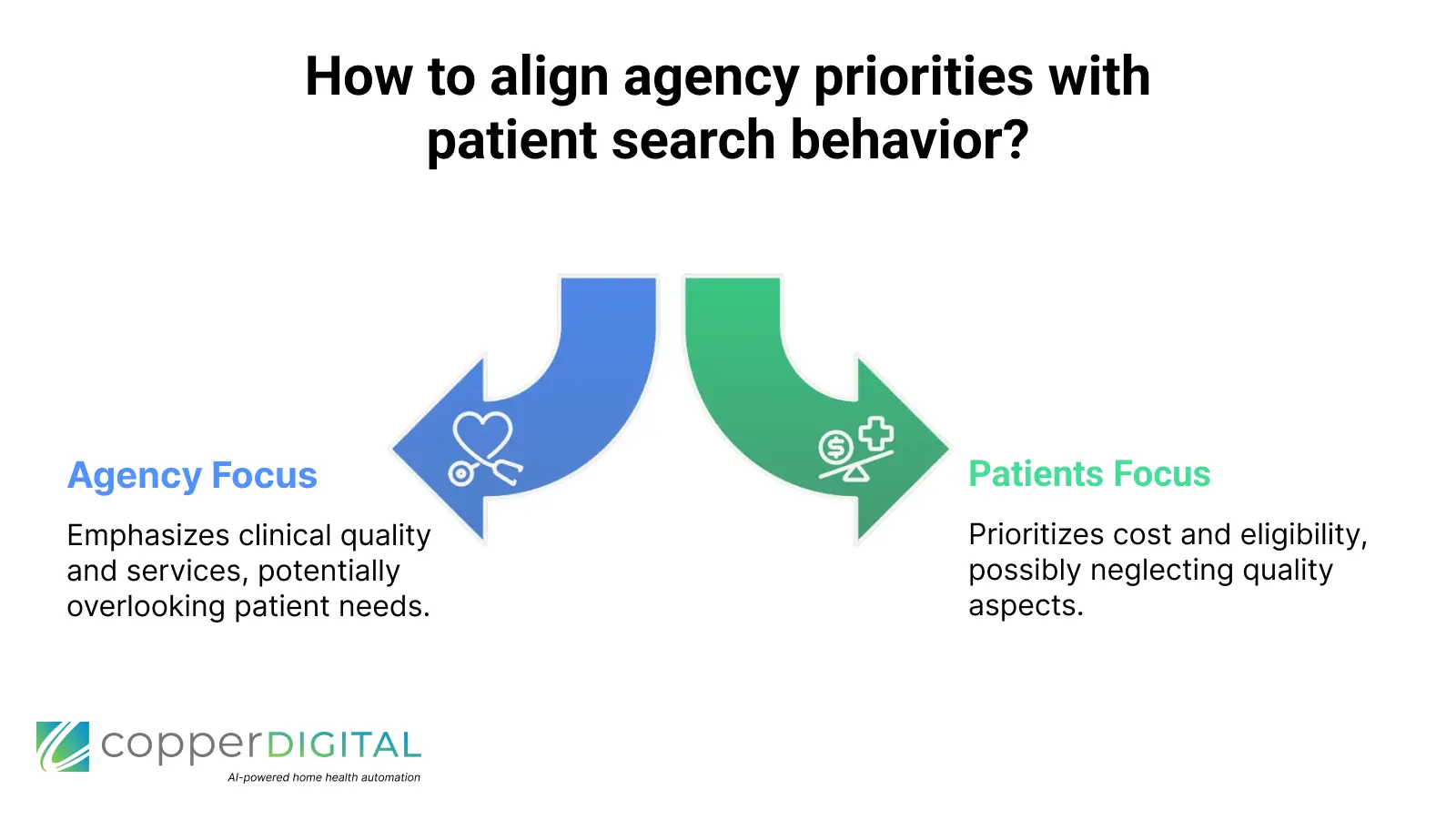
If your agency website fails to answer these four categories of questions, you lose trust before the first phone call occurs.
The Four Categories of Patient Questions
Financial Anxiety Stops Leads Before They Call
Agencies often bury financial information because they fear scaring off leads. However, search volume proves that economic anxiety is the primary barrier to entry. Families are searching for permission to access care rather than just checking prices.
Top Google Queries:
"Does Medicare cover home health care for dementia?"
"Home health care near me that accepts Medicare"
"Cost of home health aide per hour vs nursing home"
"Will insurance pay for 24-hour home care?"
The winning strategy here is transparency. Stop using vague phrases like "we accept most insurances" and create specific content pages that address these queries directly. Be honest about limitations. Medicare.gov notes that Medicare does not cover 24-hour care or custodial care. An agency that explains this clearly and offers alternative solutions wins the trust of the family.
Families Do Not Understand Clinical Roles
Industry insiders know the difference between a Home Health Aide (HHA) and a Registered Nurse (RN). The general public usually does not. Search trends reveal widespread confusion about who is responsible for what tasks within the home.
Top Google Queries:
"Can a home health aide give medications?"
"Difference between a personal care assistant and a home nurse"
"What does a home health aide do?"
If a family expects an aide to administer insulin because they did not understand the role, that is a failed education touchpoint rather than a bad referral. Use your Services page to explicitly clarify duties.
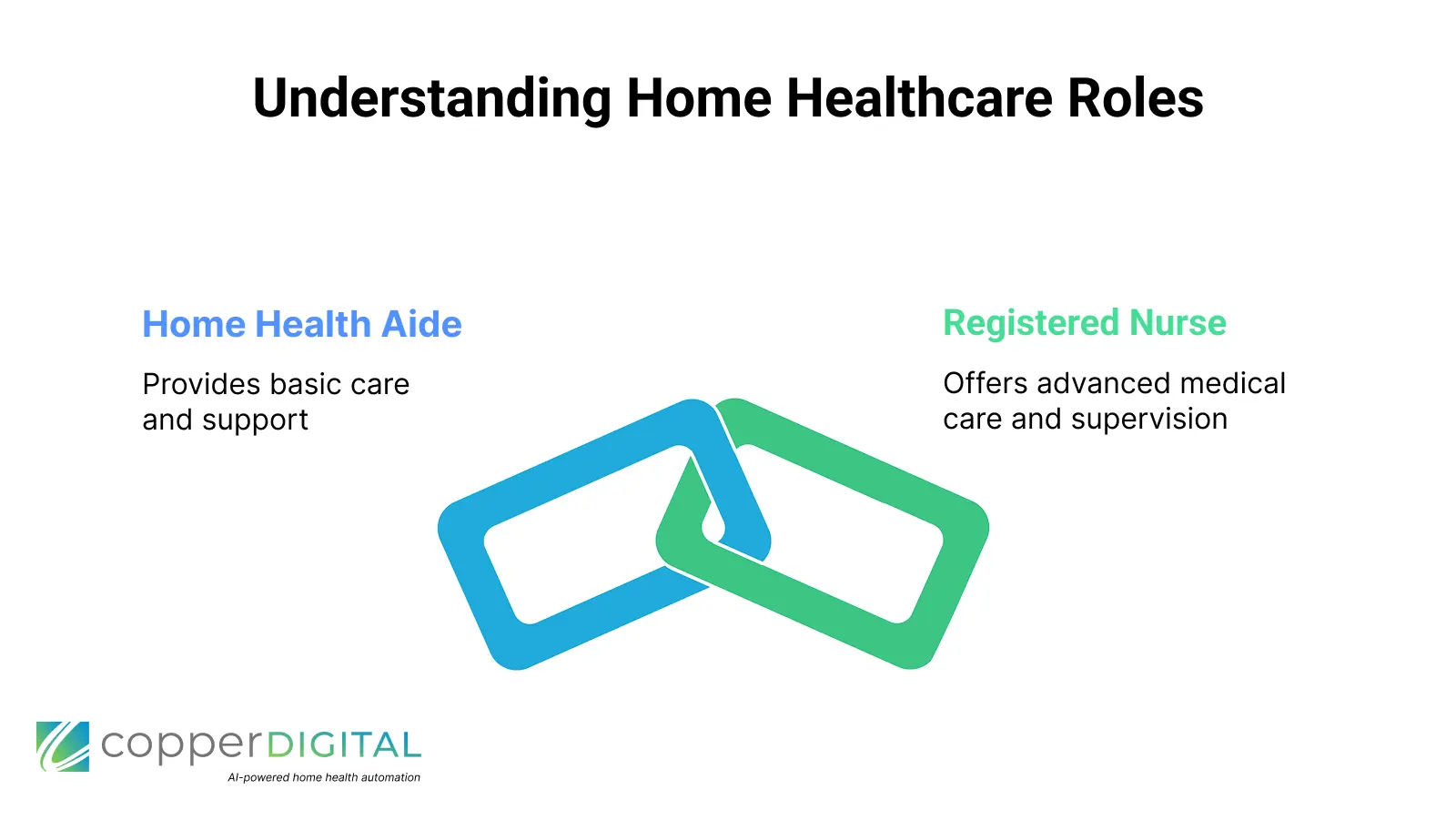
According to AARP, the cost difference between an aide (who helps with bathing/dressing) and a nurse (who handles medical tasks) is significant. A clear infographic on your site comparing these roles builds authority and filters out unqualified leads before they clog your intake lines.
Safety Concerns Are the Biggest Emotional Hurdle
This is the most emotional category because families are inviting strangers into the home of a vulnerable loved one. Their search queries reflect a deep need for safety.
Top Google Queries:
"How to find a caregiver you can trust."
"What happens if my home health aide doesn't show up?"
"Is [Agency Name] licensed and insured?"
"Background checks for home health caregivers"
You cannot just say you are trustworthy. You must prove it. Address the fear of no-shows head-on by publishing your backup protocols. Explain your vetting process in detail. The National Institute on Aging advises families to ask specific questions about licensure. When you answer the question about what happens if a nurse is sick before they even ask it, you prove that you are a professional operator who plans for every contingency.
The Urgent Reality of Crisis Searches
A significant portion of searches happens during a crisis. This occurs after a fall, a sudden diagnosis, or a hospitalization. These searches are urgent and location-specific.
Top Google Queries:
"Emergency elder care near me."
"Alternatives to nursing homes for stroke recovery"
"How to tell mom she needs help at home."
Speed to lead becomes critical here. These families are drowning rather than browsing. If they land on your site at 2 AM, you need a way to capture them.
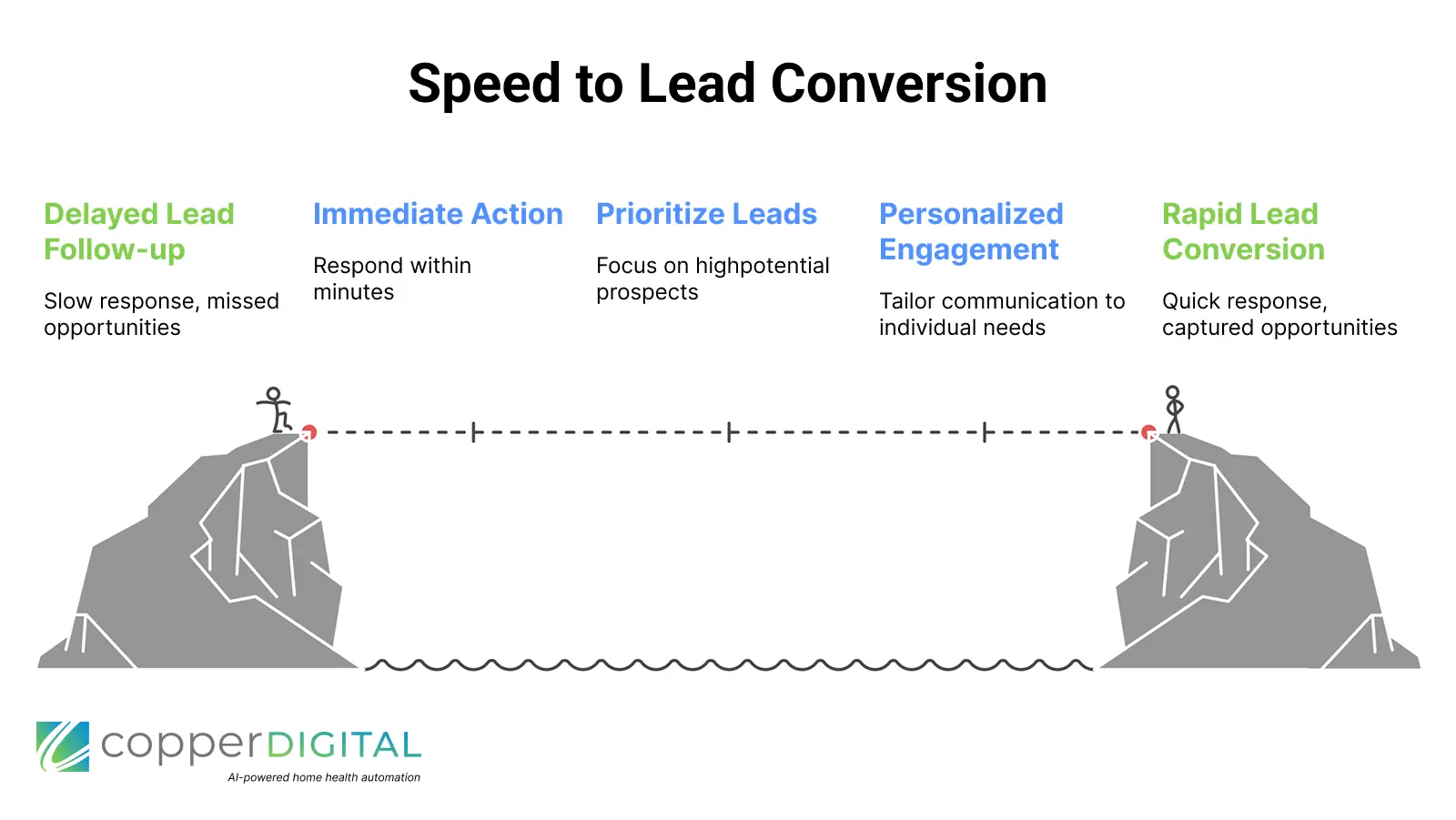
As we discussed in our breakdown of referral management bottlenecks, manual intake processes often result in a 24-48-hour delay. In a crisis, that is too long. You need automated intake tools that can engage these families immediately, answer their basic eligibility questions, and book an assessment first thing in the morning.
How to Win the Referral in 2026
Your patients are telling you exactly what they need by typing it into a search bar every single day.
The agencies that win in 2026 will be the ones who answer the hard questions about money, safety, and logistics honestly and clearly.
Don't let the 2 AM Referral Slip Away. Your future patients are searching for help while your office is closed. Copper Digital ensures you are always there to answer. Our AI-powered tools engage families instantly, answer their eligibility questions, and book assessments around the clock.
See how CopperOne transforms your intake process today.
You know what they are searching for. Now learn exactly what to say when they finally call.