
The Copper Digital Journal
Field notes from the home health documentation problem.
Articles, podcasts, and case studies for operators, DONs, QA leads, and the nurses who actually fill out the OASIS.
- Copper Clinical TeamJul 24, 2026
OASIS-E1 vs OASIS-E2: A Complete Side-by-Side Comparison for Home Health Agencies
Wondering what changed between OASIS-E1 and OASIS-E2? OASIS-E2 is an incremental update, not a redesign. The framework, five time points, and PDGM methodology stay the same, while CMS refines Section GG, cognitive and behavioral items, SDOH, and SPADEs. This guide compares both versions side by side and gives you a transition plan and checklist.
OASIS15 min read
- Copper Clinical TeamJul 23, 2026
10 Reasons Why Home Health Agencies Are Choosing WellSky (Kinnser)
Selecting an EMR is one of the most important operational decisions a home health agency makes. For more than two decades, WellSky (formerly Kinnser) has stayed a top choice because it was built specifically for home health, not adapted from hospital software. Here are 10 reasons agencies choose it, from OASIS-E and compliance to scheduling, billing, scalability, and AI integration.
Home Health Technology14 min read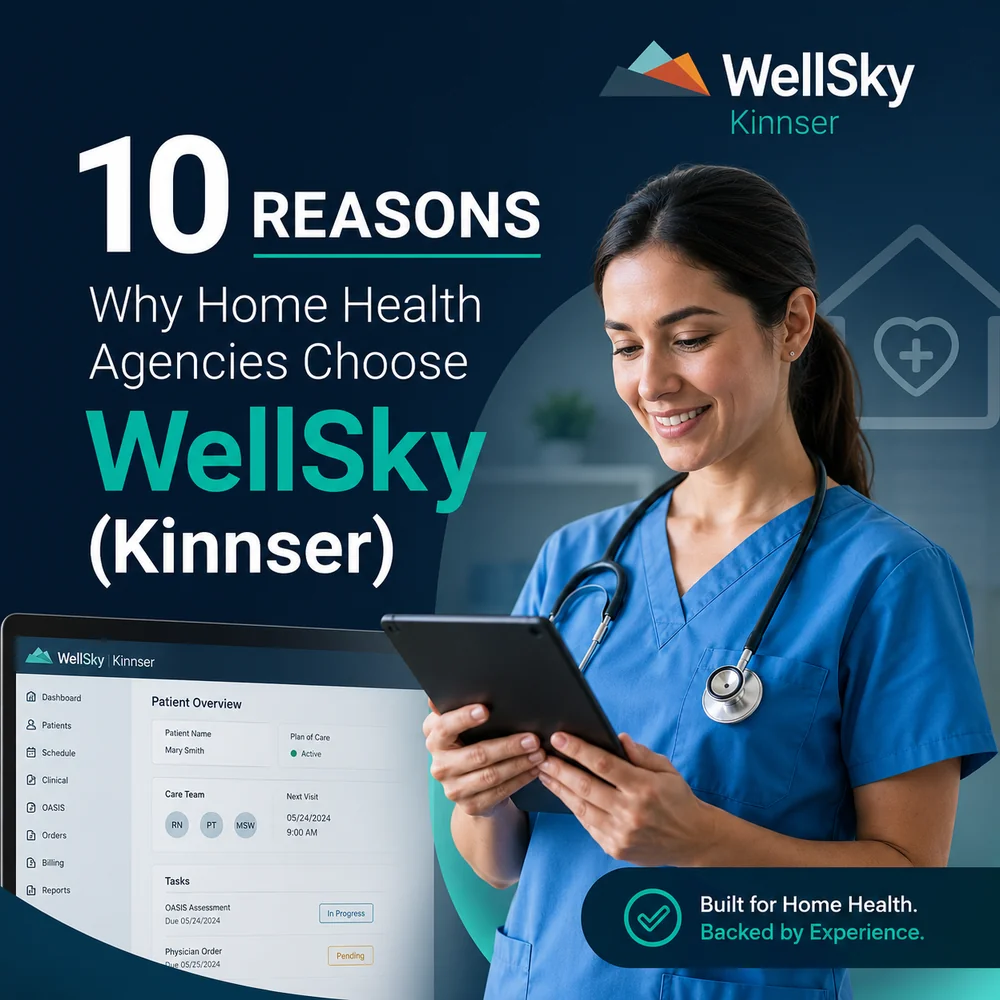
- Copper Clinical TeamJul 22, 2026
Homecare Homebase vs WellSky (Kinnser) vs Axxess: Which Home Health EMR Is Best for Documentation?
Choosing a home health EMR shapes how nurses document, how fast claims go out, and how efficiently your agency runs. Homecare Homebase, WellSky (Kinnser), and Axxess all support OASIS-E and Medicare compliance, but they differ in usability, scalability, and workflow design. This guide compares all three across documentation, OASIS-E, mobile, compliance, AI, and agency size to help you choose.
Home Health Technology12 min read
- Copper Clinical TeamJul 21, 2026
Nursing Intuition vs Clinical Judgment: What's the Difference?
Every experienced nurse has felt it: the vital signs look normal, the labs haven't changed, but something feels wrong. Is that intuition or clinical judgment? They're two distinct but complementary skills. This guide explains how each works, how intuition develops, why clinical judgment turns a gut feeling into safe action, and what AI can and can't do about it.
Nursing Education9 min read
- Jennifer NgureJul 20, 2026
Can AI Help Reduce Nurse Burnout?
Nurses now spend nearly as much time documenting care as delivering it, and the result is unprecedented burnout. AI can help, but only when it is designed to support nurses rather than replace them. This guide breaks down how AI reduces cognitive load, ambient documentation, predictive deterioration detection, human-in-the-loop safety, and what it means for retention and home health.
Nurse Burnout11 min read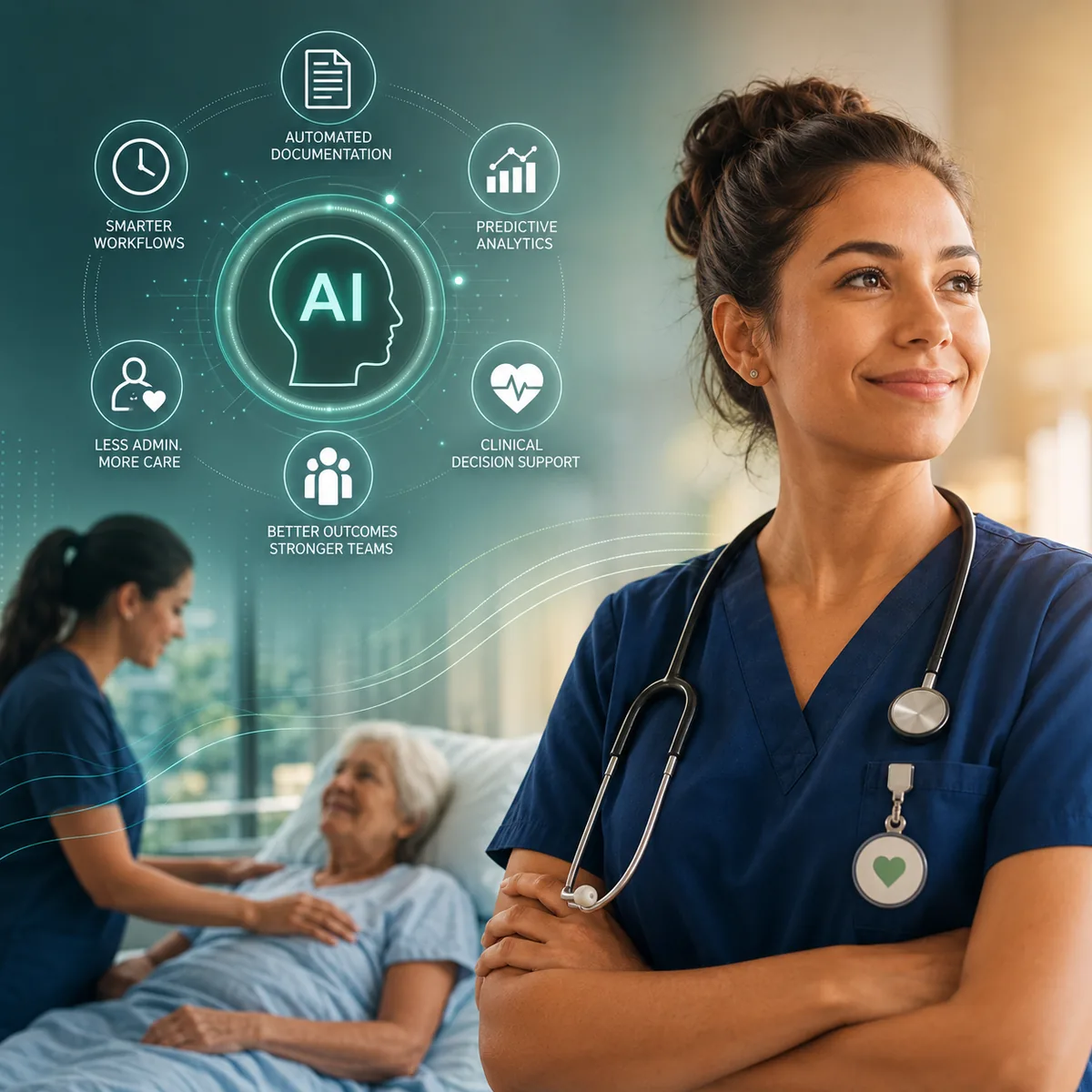
- Copper Clinical TeamJul 17, 2026
5 Biggest Changes to Medicare in 2026
From a new Medicare Part D out-of-pocket cap to negotiated prices on the most expensive prescription drugs, 2026 brings major Medicare changes designed to improve affordability, alongside new prior authorization requirements and shifting Medicare Advantage options that beneficiaries need to understand before open enrollment.
Medicare10 min read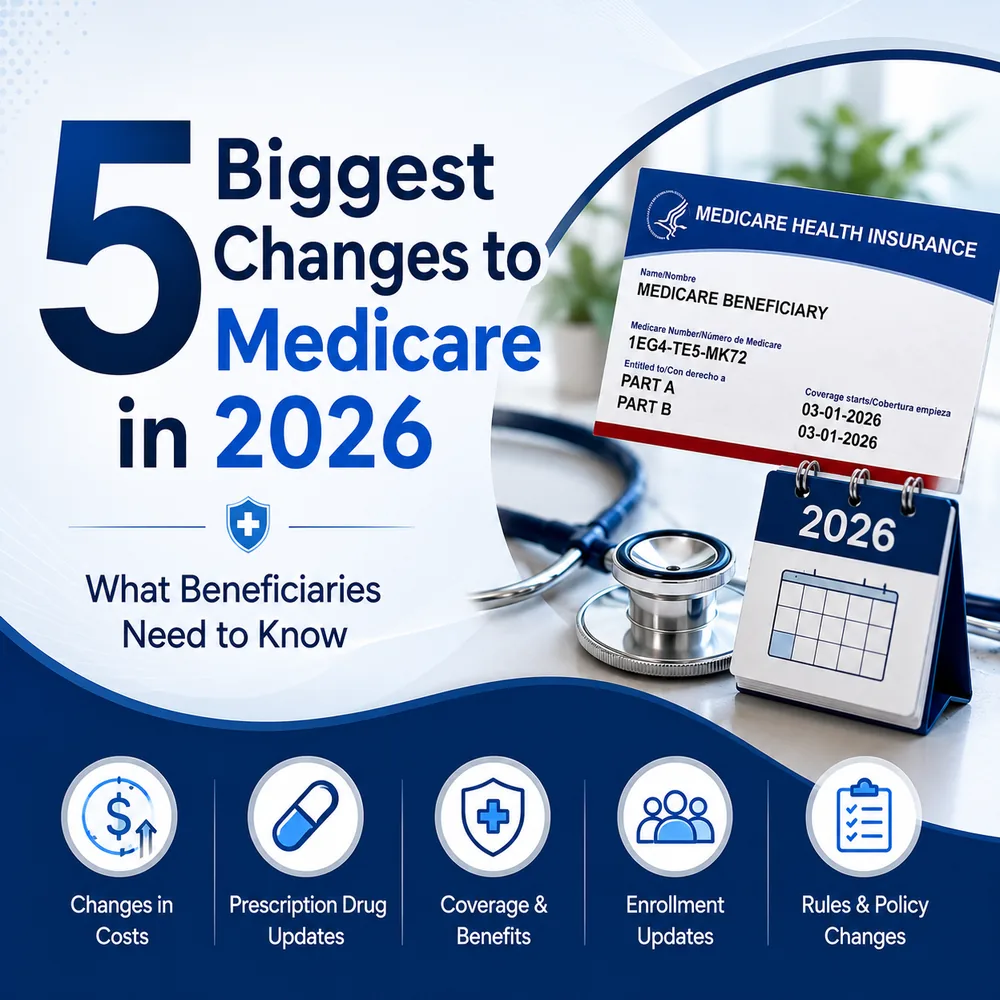
- Copper Clinical TeamJul 16, 2026
The Hidden Cost of Late Nursing Documentation
Late nursing documentation is far more than an administrative inconvenience. Delayed charting increases patient safety risks, creates handoff gaps, triggers claim denials and undercoding, raises legal and audit exposure, and accelerates nurse burnout and turnover, costing healthcare organizations millions. Most delays happen because nurses lack time to chart in real time, and AI and point-of-care documentation tools can give that time back.
Clinical Documentation12 min read
- Copper Clinical TeamJul 15, 2026
Common OASIS Documentation Mistakes That Lead to Payment Delays
Common OASIS documentation mistakes, such as incomplete assessments, incorrect diagnosis coding, inaccurate Section GG scoring, medication and homebound-status errors, weak skilled-need documentation, and missing physician signatures, are among the biggest causes of home health payment delays. Because OASIS data drives PDGM reimbursement, most of these errors are preventable with point-of-care charting, strong QA, and AI-powered documentation validation.
OASIS12 min read
- Copper Clinical TeamJul 14, 2026
Why OASIS Documentation Is Burning Out Your Nurses
OASIS documentation is the CMS-required Outcome and Assessment Information Set that home health nurses complete for Medicare patients. With more than 100 data elements and a Start of Care assessment that takes 60 to 90 minutes, it often follows nurses home as after-hours 'pajama time,' making it a leading cause of home health nurse burnout. AI-powered documentation with human-in-the-loop review can cut charting time and give nurses their evenings back.
OASIS13 min read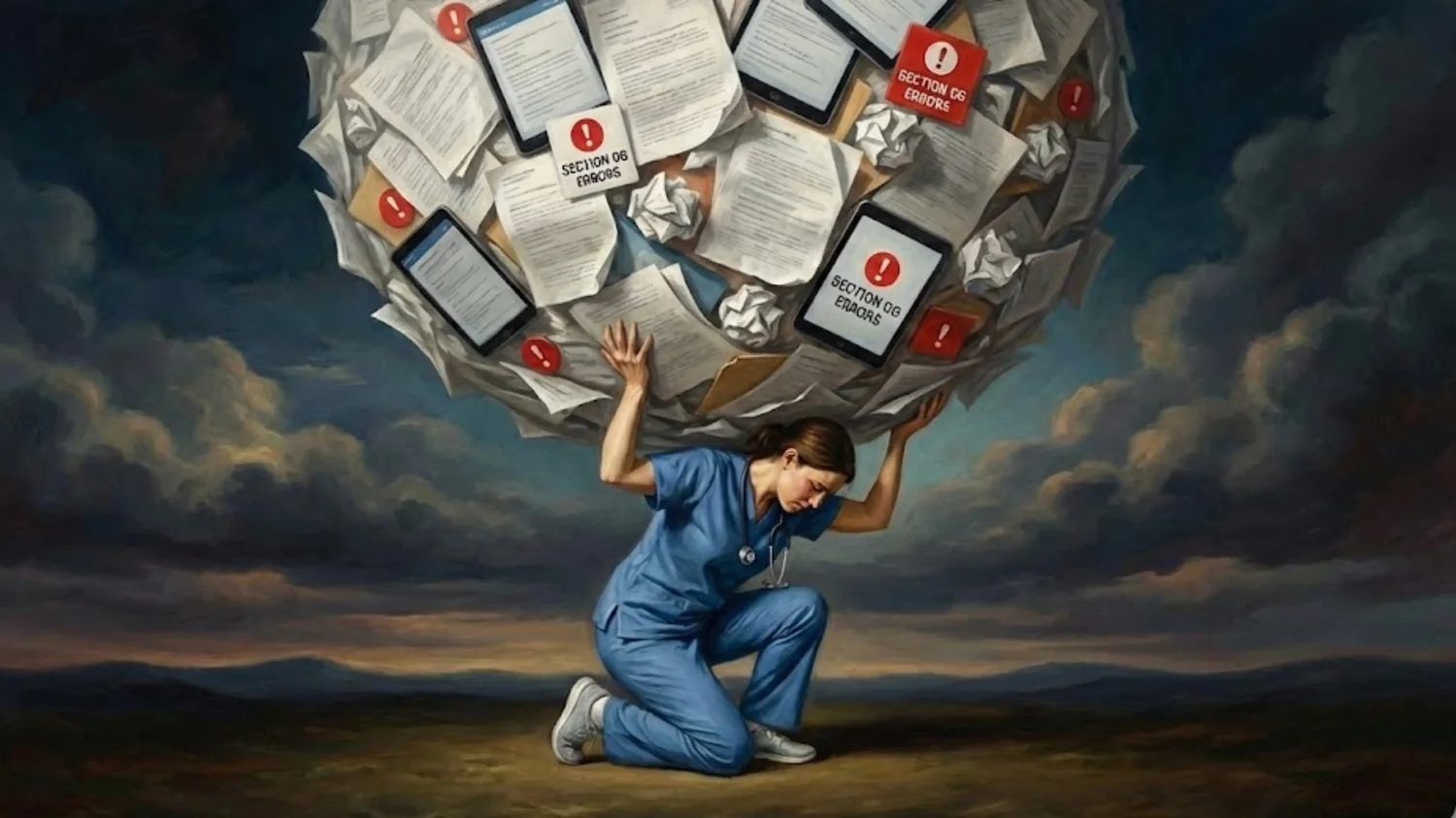
- Jennifer JohnsonJul 13, 2026
Why Nurses Quit? The Real Reasons Behind the Nursing Shortage
Nurses are leaving the profession because of burnout, documentation overload, chronic staffing shortages, loss of autonomy, mental health strain, workplace violence, and better non-bedside opportunities. This isn't a shortage of people who care, it's a shortage of systems that support them. Solving it means reducing administrative burden and building healthcare around clinicians.
Nursing Workforce13 min read
- Copper Clinical TeamJul 10, 2026
The Biggest Documentation Challenges Home Health Nurses Face
Home health nurses face heavy documentation challenges: delayed point-of-care charting, excessive administrative time, clunky EHRs, OASIS complexity, strict reimbursement rules, working in isolation, endless QA corrections, and after-hours charting that drives burnout. Reducing documentation burden is now essential for clinician retention, patient outcomes, and agency financial performance.
Home Health11 min read
- Copper Clinical TeamJul 9, 2026
AI Scribe vs AI Documentation Agent: Which One Does Home Health Really Need?
An AI scribe transcribes conversations into notes. An AI Documentation Agent goes further: it understands clinical workflows, processes referral PDFs, drafts OASIS-E assessments, assists with medication reconciliation, surfaces missing documentation, and helps nurses complete compliant charts. For home health's OASIS complexity and referral processing, an AI Documentation Agent does more than a transcription-only scribe.
AI Documentation9 min read
- Copper Clinical TeamJul 8, 2026
AI Tools Every Nurse Should Know in 2026
The best AI tools for nurses in 2026 include ChatGPT for learning and career prep, Claude for long documents, Perplexity for cited research, voice AI for documentation, AI resume and interview coaching tools for career transitions, and human-in-the-loop healthcare AI platforms like Copper Digital for home health documentation. You don't need a computer science degree to benefit from any of them.
AI Tools11 min read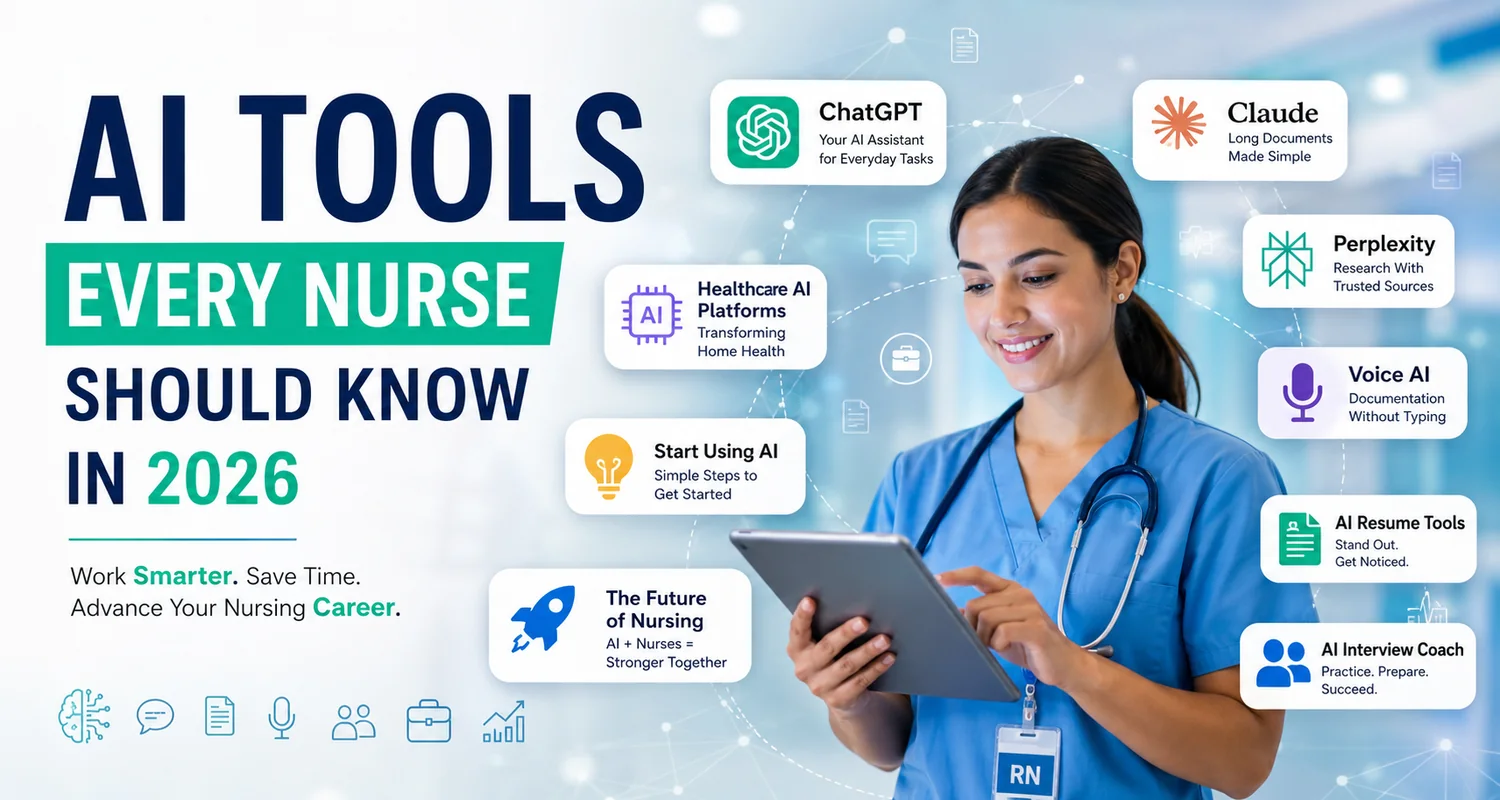
- Copper Clinical TeamJul 7, 2026
How Ambient AI Is Changing Clinical Documentation
Ambient AI passively listens to patient-clinician conversations and automatically generates structured clinical documentation, using speech recognition, NLP, and large language models to capture symptoms, diagnoses, medications, and plans. It reduces after-hours charting and burnout while the clinician reviews and approves every note. In home health, it works best paired with an AI documentation agent that understands OASIS and referral workflows.
Ambient AI10 min read
- Timi AbiolaJul 6, 2026
AI Careers for Nurses: How to Transition Beyond the Bedside
Nurses can transition into AI careers without learning to code. Clinical experience with workflows, patient safety, and documentation makes nurses valuable in roles like nurse informaticist, clinical AI consultant, healthcare AI product manager, and AI educator. The future of nursing isn't leaving healthcare, it's expanding what a healthcare career can look like.
AI Careers9 min read
- Jeanette YatesJun 29, 2026
Healthcare AI Trust: Why Great Care Technology Fails Without Earning It
Healthcare AI fails when users don't trust it. Successful healthcare technology must be transparent, reliable, easy to use, protect patient data, fit naturally into caregiving workflows, and strengthen, not replace, the human relationships at the center of care.
Healthcare AI10 min read
- Dr. Sarah MattJun 23, 2026
Why Most Healthcare AI Fails: It's Rarely a Technology Problem
Healthcare AI projects usually fail because organizations implement AI before clearly defining the problem they're trying to solve. Success depends on understanding clinical workflows, involving frontline users, aligning business incentives, establishing governance, and designing around patients, not simply deploying more advanced technology.
Healthcare AI11 min read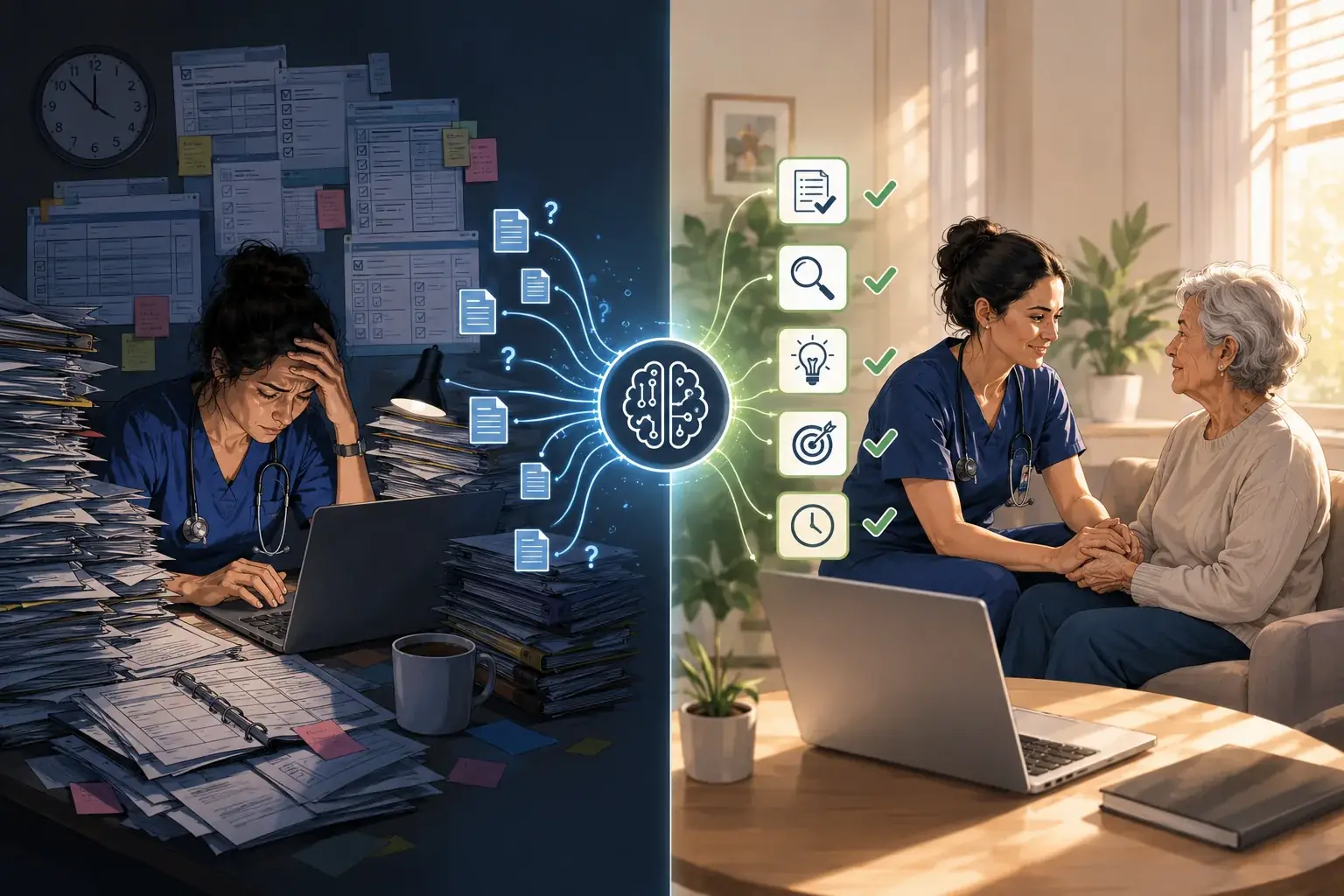
- Luke AdamsJun 8, 2026
The Conversation Medicare Pays For That Almost Nobody Is Having
Seventy percent of Americans say they want to die at home. About 30 percent do. Critical care nurse Luke Adams on advance care planning, the Medicare code that pays for it, the nurse-led model that generates $100K to $150K net per nurse, and why nurses are revenue engines, not cost centers.
Advanced Care Planning12 min read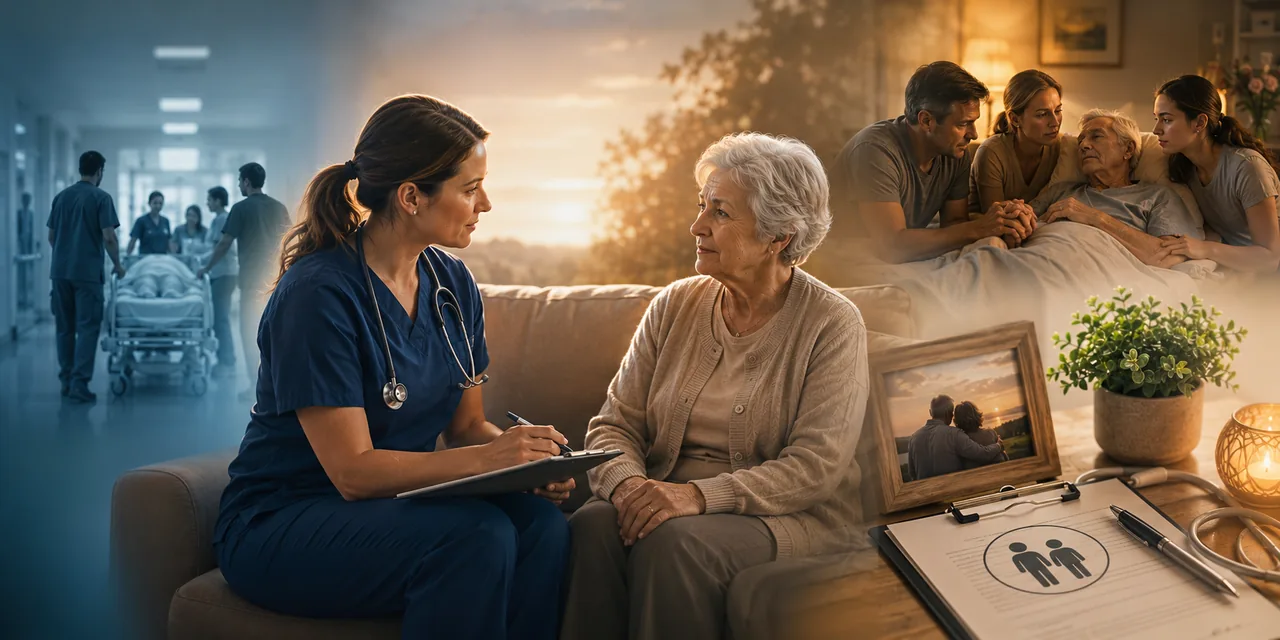
- Desiree PaigeJun 1, 2026
The Most Powerful Skill in Nursing No One Trains
Clinical intuition is not a mystical gift. It is pattern recognition operating faster than conscious thought, and it flags patient deterioration before the monitors catch up. Critical care nurse Desiree Paige on why the system silences the most powerful skill in nursing, and why reducing documentation burden is a patient safety intervention.
Patient Safety12 min read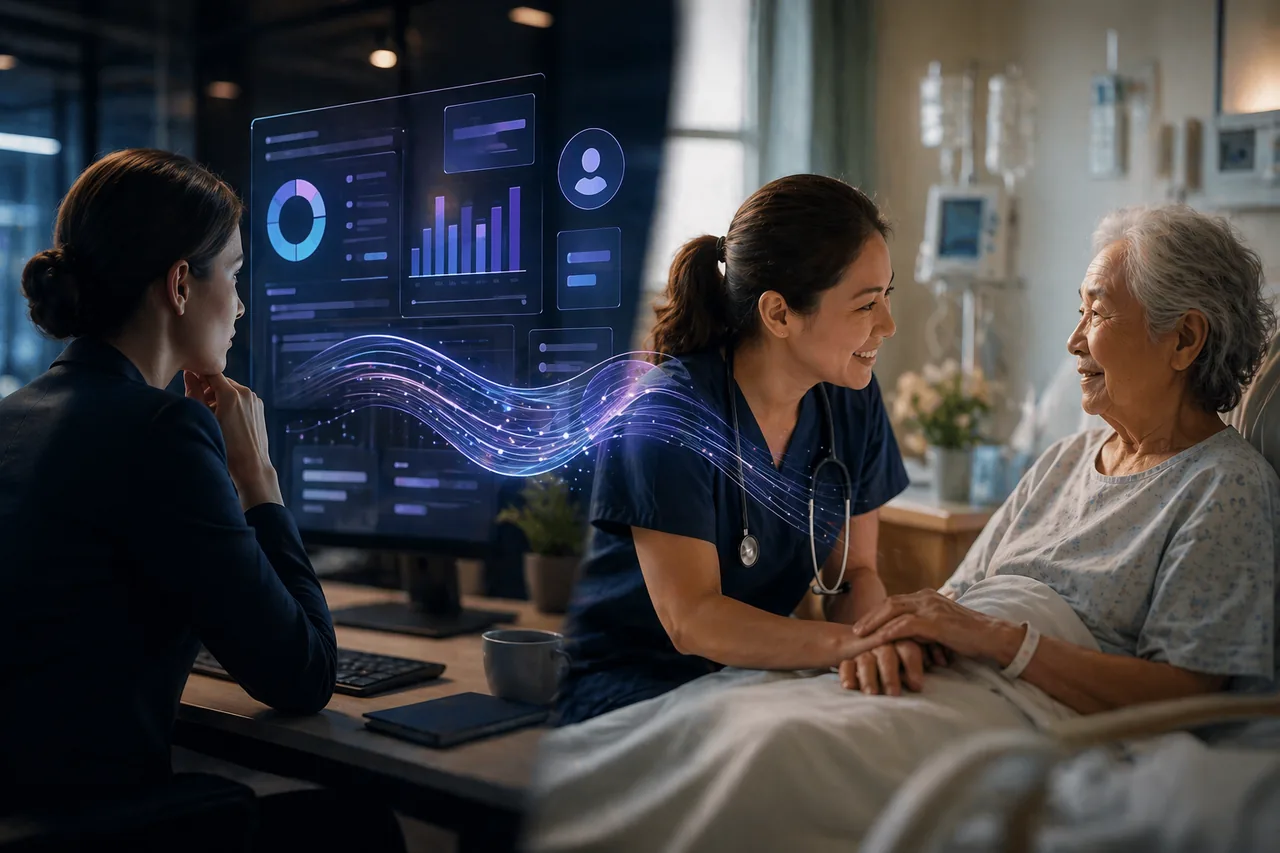
- Kathy DuckettMay 18, 2026
Where Home Health Fits in the Care Continuum: A Nurse's Map
When a discharge planner says home health, most families hear help is coming. What they get is a skilled nurse working from day one toward making herself unnecessary. Kathy Duckett, RN, maps the American care continuum, and the one question that determines where a patient actually belongs.
Home Health13 min read
- Susie BranaganMay 11, 2026
If AI Cannot Handle a Nurse Having a Bad Day, It Does Not Belong in Healthcare
AI is advisory. The nurse's judgment is sacred. Susie Branagan, RN, who calls herself AI's clinical conscience, on applying Just Culture to AI, the real danger of hallucinations in home health, trauma-informed design, and why deploying technology into a broken culture only gives it more efficient ways to do harm.
Healthcare AI13 min read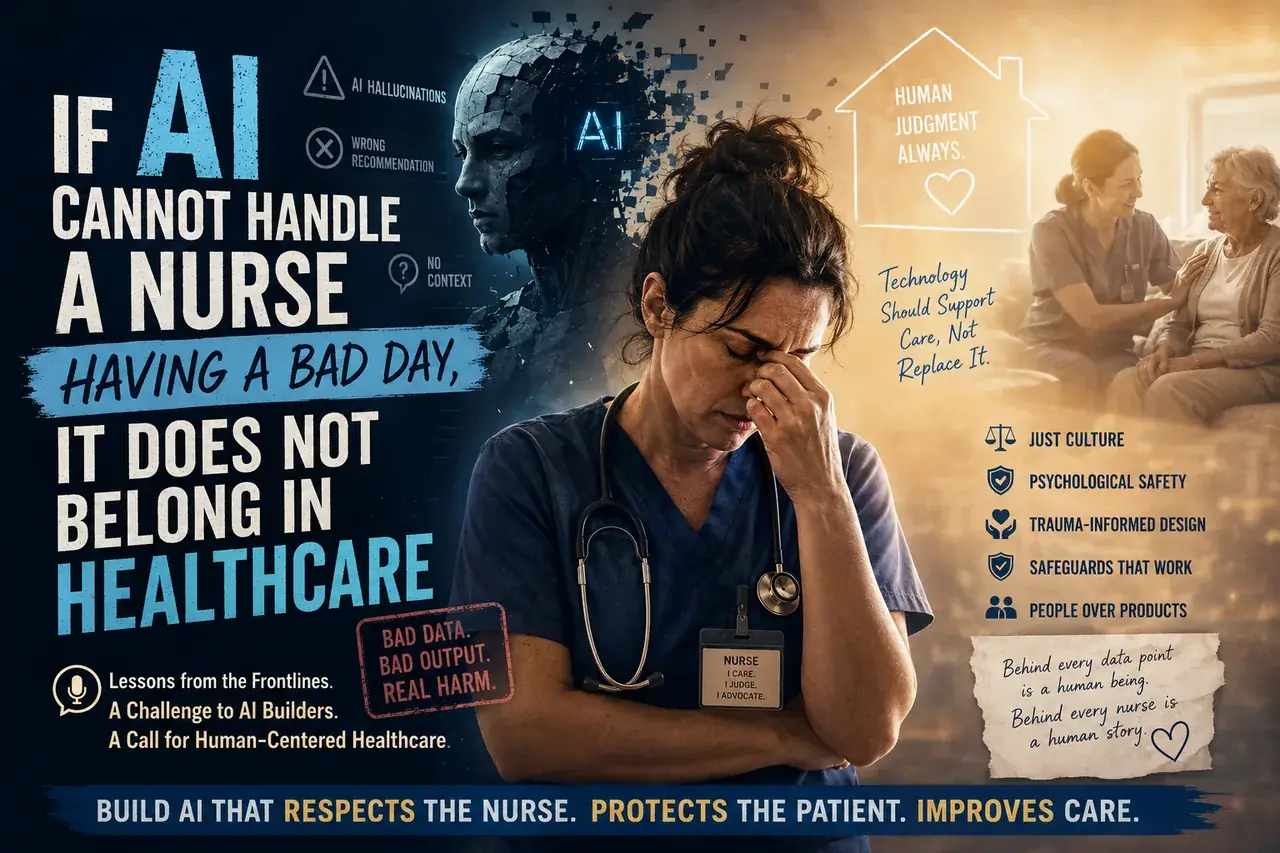
- Nina M. StevensonMay 4, 2026
AI Is the Biggest Opportunity in Nursing Right Now
The biggest career opportunity in nursing right now is not a better unit or an NP degree. It is AI, and the conversation has been happening without nurses in the room. Nurse Nina Stevenson on what nurses can build today, the Five Rights of AI in healthcare, and training 100,000 nurses by 2030.
AI12 min read
- Nathan HaymanApr 27, 2026
The Problem With Healthcare AI Is That Most of It Doesn't Work
We were building AI in healthcare when AI wasn't cool. Nathan Hayman, CEO of Rivvi.ai, on going from 2,000 to 60,000 patient calls a month, bootstrapped and profitable, why he refused to integrate with the EMR, the LinkedIn post that changed everything, and why most healthcare AI ships demos instead of solving problems.
Healthcare AI13 min read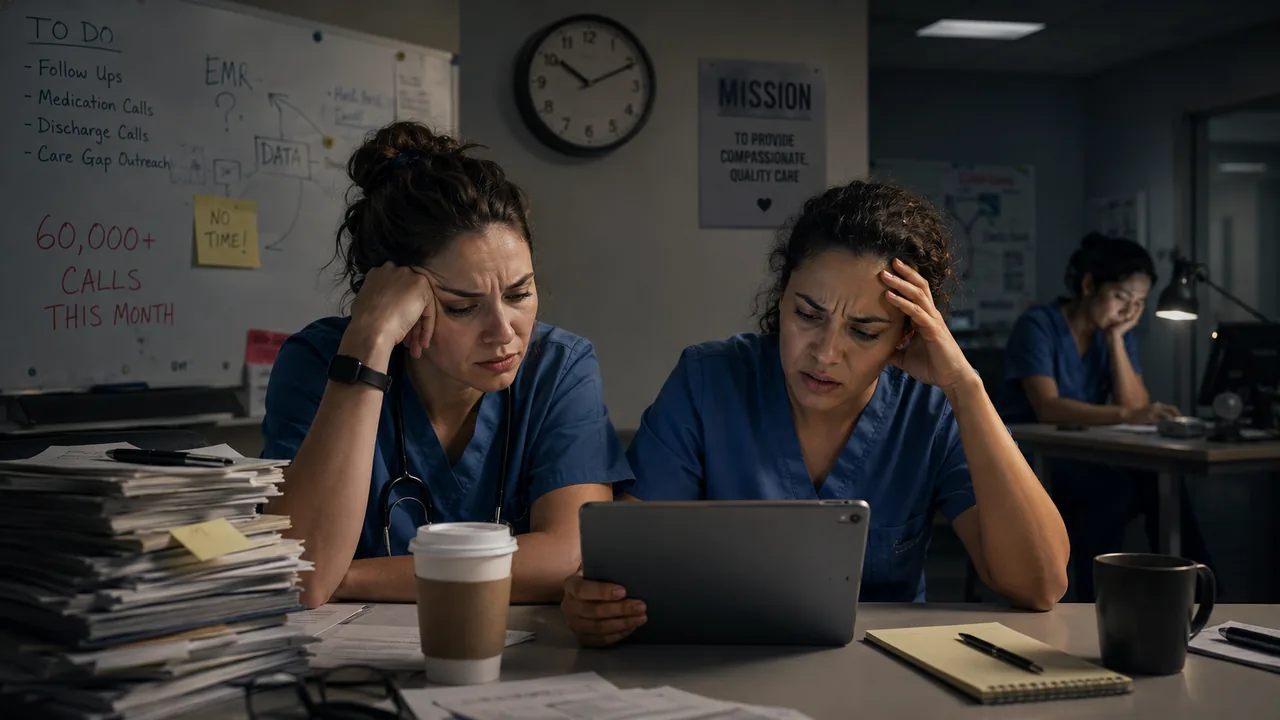
- Paulo J. MachadoApr 20, 2026
What 100 Healthcare Startups Taught Me About Building AI
The first thing Paulo Machado asks any founder: have you sat in the chair of the person you're building for? After 100+ healthcare startups, his lesson is simple, the ones that scale focus on the user, not the technology. On EHR mistakes AI is about to repeat, ethics before data, and human-in-the-loop as the adoption strategy.
Healthcare AI10 min read
- Dr. Pooja A. PatelApr 13, 2026
53 Million People Are Providing Care Right Now. Nobody Prepared Them for It.
There are at least 53 million unpaid family caregivers in the United States, untrained, unpaid, and uncounted. Dr. Pooja Patel, OT and founder of Aging Together, on the care-literacy gap, proactive care planning, and why technology keeps getting built for providers instead of the families holding care together.
Family Caregivers12 min read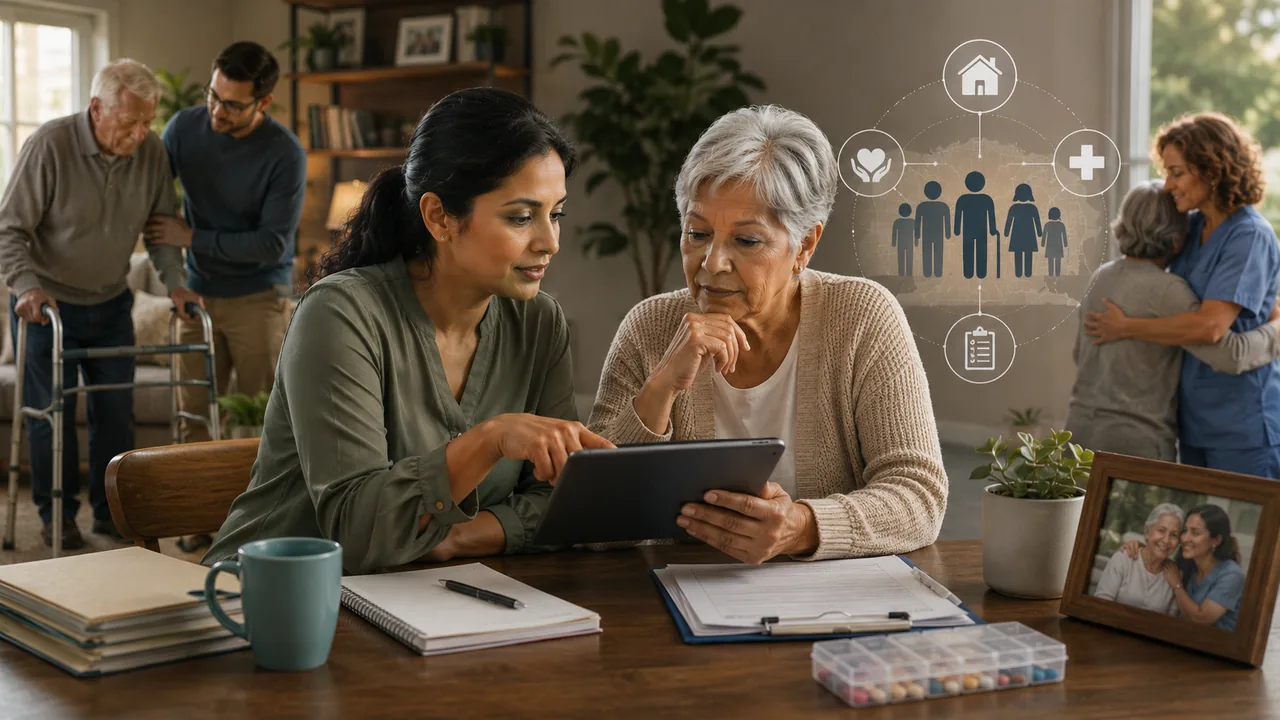
- Rosa HartApr 6, 2026
The Power of a Podcast: Why I Started Instead of Waiting for Permission
Technology, used correctly, does not dilute nursing. It scales it. Stroke nurse and podcaster Rosa Hart on recording the conversations she could only have one patient at a time, why retention takes nine follow-ups, and where AI follow-up calls genuinely help.
AI12 min read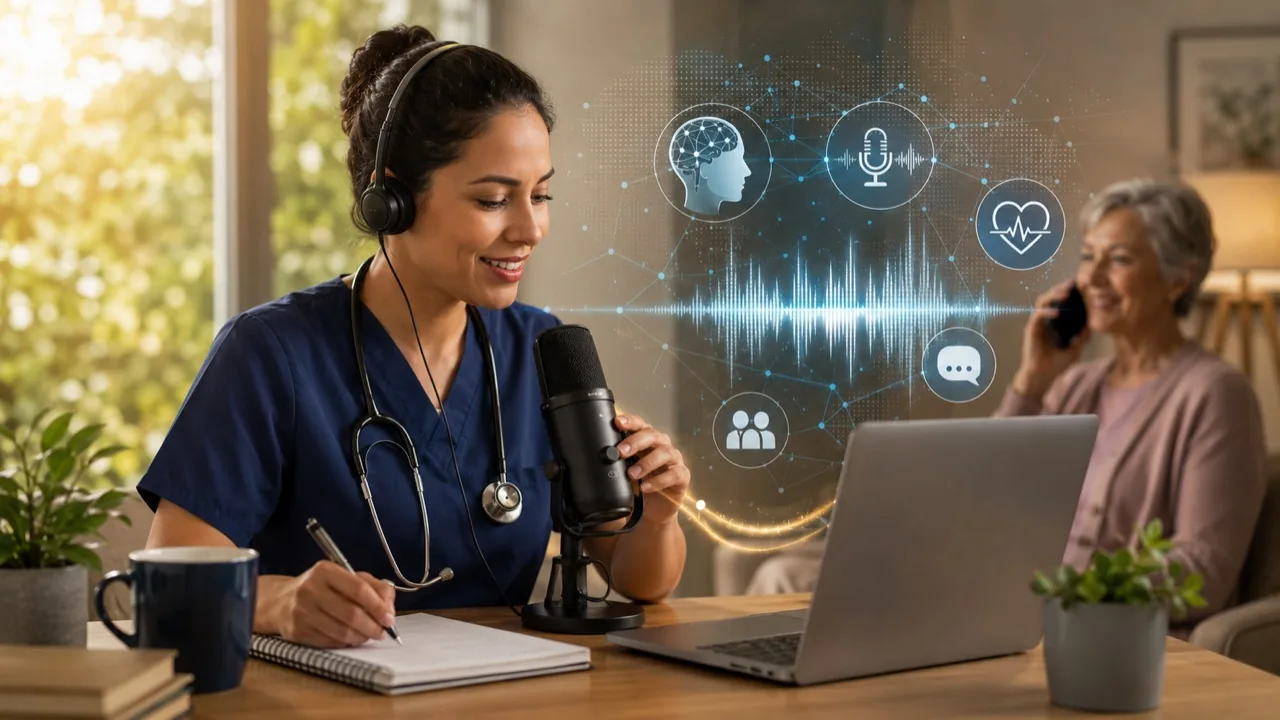
- Kathy DuckettMar 30, 2026
A Nurse Leader's Guide to Medicare Star Ratings and Surveys
Two star ratings, two different things, and a state survey that can range from a clean two-day exit to a 23-day immediate-jeopardy clock. Kathy Duckett, MSN, RN, explains how Medicare star ratings and surveys really work, and why almost every deficiency traces back to documentation.
Star Ratings13 min read
- Kimberly MaurerMar 23, 2026
What 40 Years in Nursing Taught Me About Surviving a Broken System
67% of nurses report burnout. Those are not staffing metrics. Nurse leader Kimberly Maurer on the suitcase of unprocessed trauma every nurse carries, the lateral violence nobody names, and the third path between staying stuck and walking away.
Nurse Burnout12 min read
- Laurel (Huber) ChiaramonteMar 16, 2026
Home Health Nurse Scheduling Is Broken
A spreadsheet taped to the nurses' station once ate Laurel Chiaramonte's weekends. Then an algorithm turned 18 hours of schedule writing into five minutes. Here is why home health scheduling is the harder problem, and what fair, human-overseen AI scheduling actually looks like.
Nurse Scheduling12 min read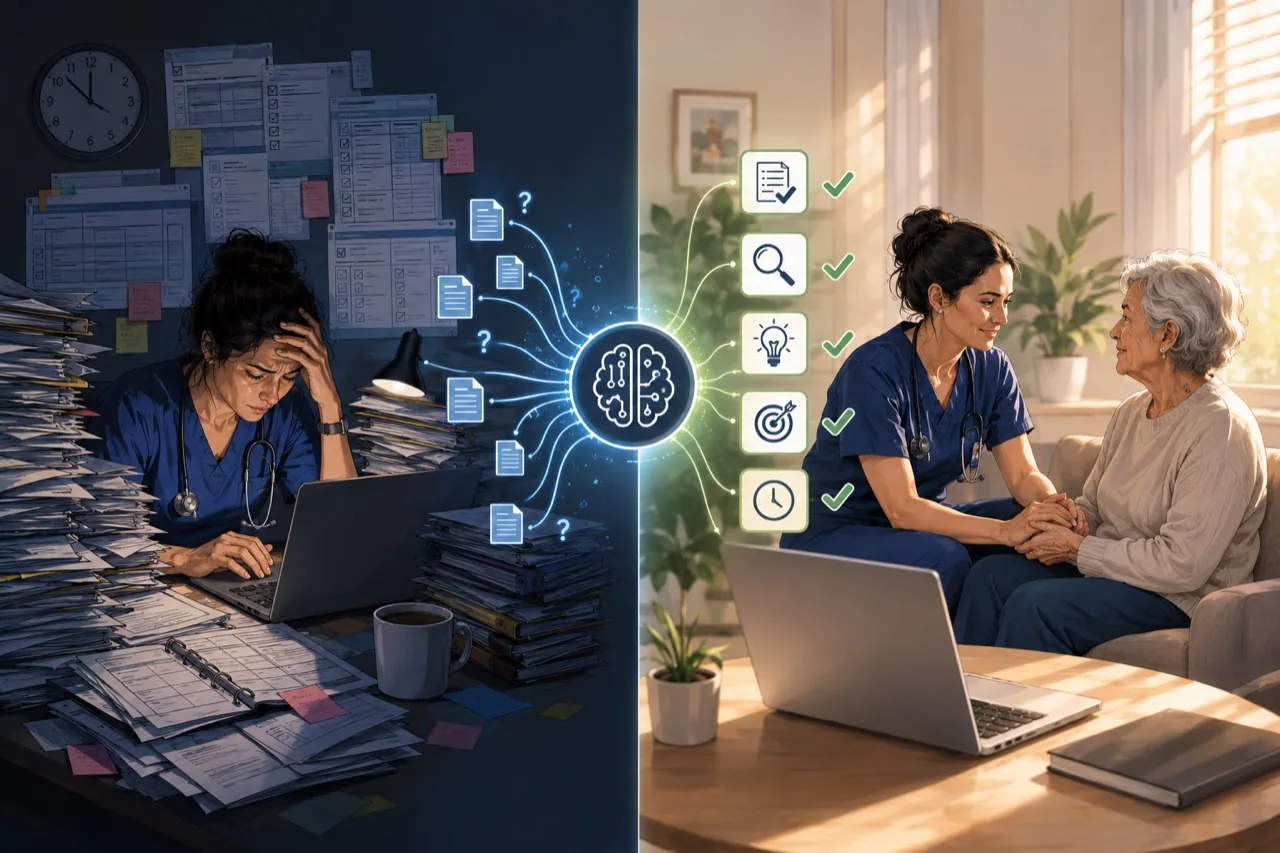
- Kathy DuckettMar 9, 2026
Home Health Is Not What Most People Think It Is
Most people, even those who work near the industry, misunderstand what home health is. Kathy Duckett, RN, explains the bridge it was designed to be, how it differs from home care and hospice, why OASIS accuracy is everything, and where AI can genuinely help nurses.
Home Health11 min read
- Valerie ChoniukMar 2, 2026
Clinician Burnout Is the Patient Experience Problem
Burnout isn't a yoga-and-pizza-party problem. Patient experience advisor Valerie Choniuk reframes clinician burnout as a system problem, and a patient experience problem, and explains how protecting presence (not just adding technology) is what actually heals care.
Nurse Burnout9 min read
- Kathy DuckettFeb 23, 2026
Why Home Health Documentation Is Driving Your Best Nurses Out the Door
Home health was designed as a short-term bridge from the hospital to independence at home. Veteran nurse Kathy Duckett explains how we buried that purpose under 150+ OASIS questions, and why fixing documentation, not blaming nurses, is how agencies keep their best clinicians.
Home Health9 min read













Listen while you read
Continue exploring on the podcast
Pulled fresh based on the section you're browsing — every visit surfaces a different mix.
 Ep 17
Ep 17Ep 17 · Jun 23, 2026
Most Healthcare AI Startups Are Building the Wrong Product | Dr. Sarah Matt
 Dr. Sarah MattWatch
  Ep 16
Ep 16Ep 16 · Jun 15, 2026
Star Agency or Compliance Disaster? Understanding Home Health Ratings
 Kathy DuckettWatch
  Ep 19
Ep 19Ep 19 · Jul 6, 2026
AI Won't Replace Nurses, But Nurses Using AI Will | Timi Abiola
 Timi AbiolaWatch