
The Biggest Documentation Challenges Home Health Nurses Face
Home health nurses face heavy documentation challenges: delayed point-of-care charting, excessive administrative time, clunky EHRs, OASIS complexity, strict reimbursement rules, working in isolation, endless QA corrections, and after-hours charting that drives burnout. Reducing documentation burden is now essential for clinician retention, patient outcomes, and agency financial performance.

Key Takeaways
- Delayed point-of-care documentation forces nurses to rely on memory, increasing errors.
- OASIS complexity and clunky EHRs turn charting into a second shift.
- Strict reimbursement rules tie every note directly to revenue.
- QA rework and after-hours charting are major drivers of burnout and turnover.
💡 Home health nurses face some of the heaviest documentation demands in healthcare. The biggest challenges include delayed point-of-care charting, excessive administrative time, clunky EHRs, OASIS complexity, strict reimbursement rules, working in isolation, endless QA corrections, and after-hours charting that drives burnout. Reducing documentation burden is now essential for clinician retention, patient outcomes, and agency financial performance.
Home health nursing is one of the most rewarding specialties in healthcare, but it is also one of the most documentation-heavy.
Unlike hospital nurses who work alongside colleagues and have immediate access to support systems, home health nurses practice independently. They manage complex patients, coordinate care, complete detailed assessments, and ensure every visit is documented accurately enough to support reimbursement and regulatory compliance.
Unfortunately, documentation often becomes the part of the job that extends long after the patient visit ends.
Many home health clinicians spend their evenings and weekends finishing notes, completing OASIS assessments, and responding to quality assurance corrections.
The result?
Documentation fatigue, delayed billing, and increasing clinician burnout.
Let's explore the biggest documentation challenges home health nurses face and why solving these problems has become critical for the future of home health.
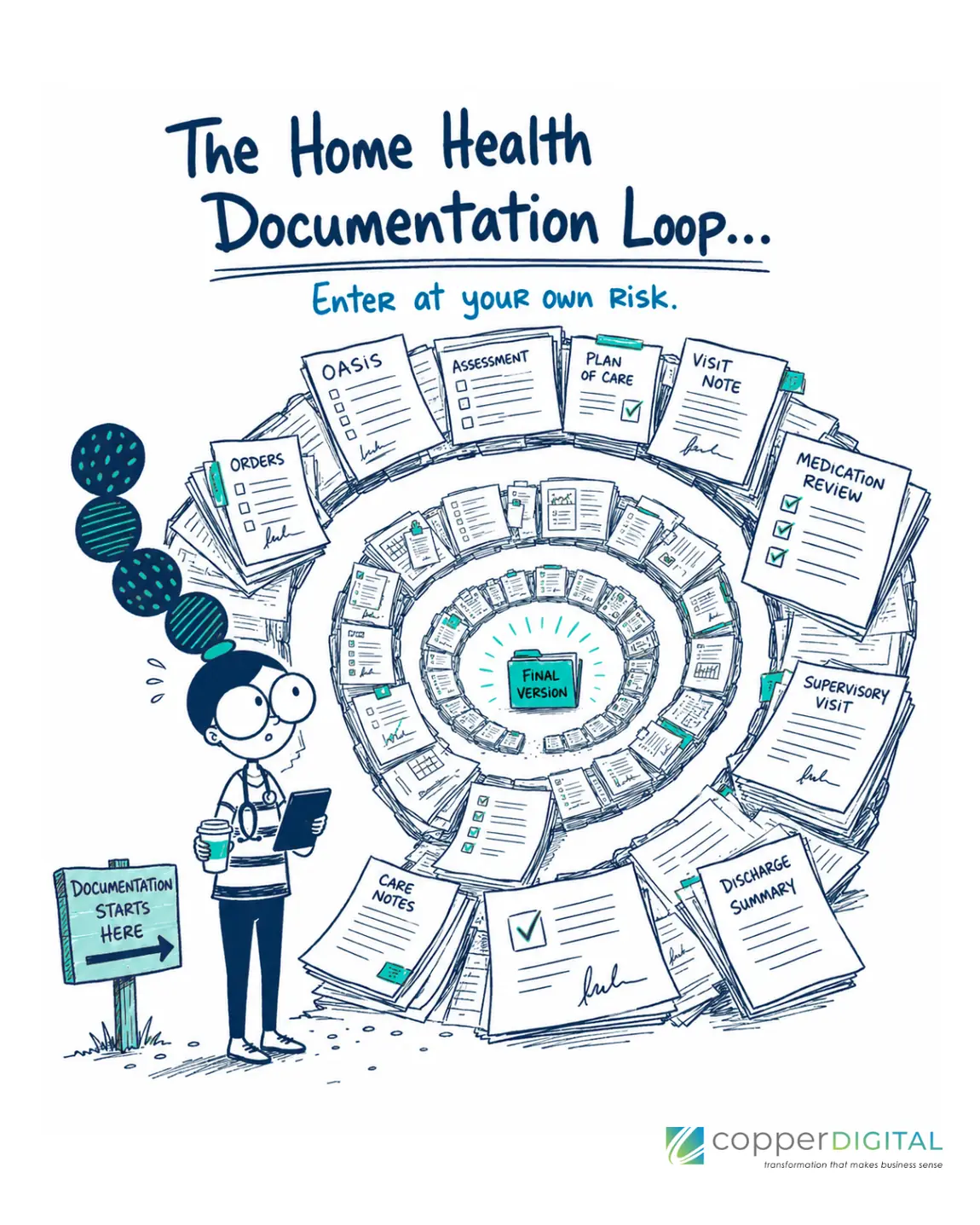
The home health documentation loop: OASIS, assessments, care plans, visit notes, medication reviews, and more, all before a note is truly final.
1. Delayed Point-of-Care Documentation
One of the biggest home health documentation challenges is the inability to complete charting at the point of care. Unlike hospital settings, where nurses can document immediately using workstations, home health clinicians are constantly moving between patient homes, dealing with distractions, limited workspace, and the need to maintain meaningful patient interactions. As a result, many nurses postpone documentation until they return to their car, office, or home. This delay forces clinicians to rely on memory, increasing the risk of missing critical information, incomplete assessments, and documentation errors that can ultimately affect patient care and reimbursement.
There are many reasons why:
- Typing during a visit can feel impersonal.
- Infection control concerns may limit device usage.
- Home environments can be distracting.
- Nurses want to focus on building trust with patients.
As a result, many clinicians delay charting until:
- They return to their car
- They get back home
- They finish all their visits for the day
The problem is that delayed documentation relies heavily on memory.
Even the best clinicians can forget:
- Exact wound measurements
- Medication changes
- Patient education details
- Caregiver conversations
- Important clinical observations
Delayed documentation increases the risk of:
- Missing information
- Inaccurate notes
- Incomplete assessments
- Compliance issues
2. Excessive Administrative Time
Administrative work has become one of the most significant burdens in home health nursing. Studies consistently show that nurses spend a substantial portion of their day documenting care rather than delivering it. From OASIS assessments and medication reconciliation to care plans and visit narratives, the volume of required documentation can exceed the time spent with the patient. This growing administrative workload contributes to after-hours charting, increased stress, and lower job satisfaction, making it one of the leading drivers of burnout among home health clinicians.
A typical day might look like:
| Activity | Time |
|---|---|
| Patient Visit | 45 minutes |
| Documentation | 60-90 minutes |
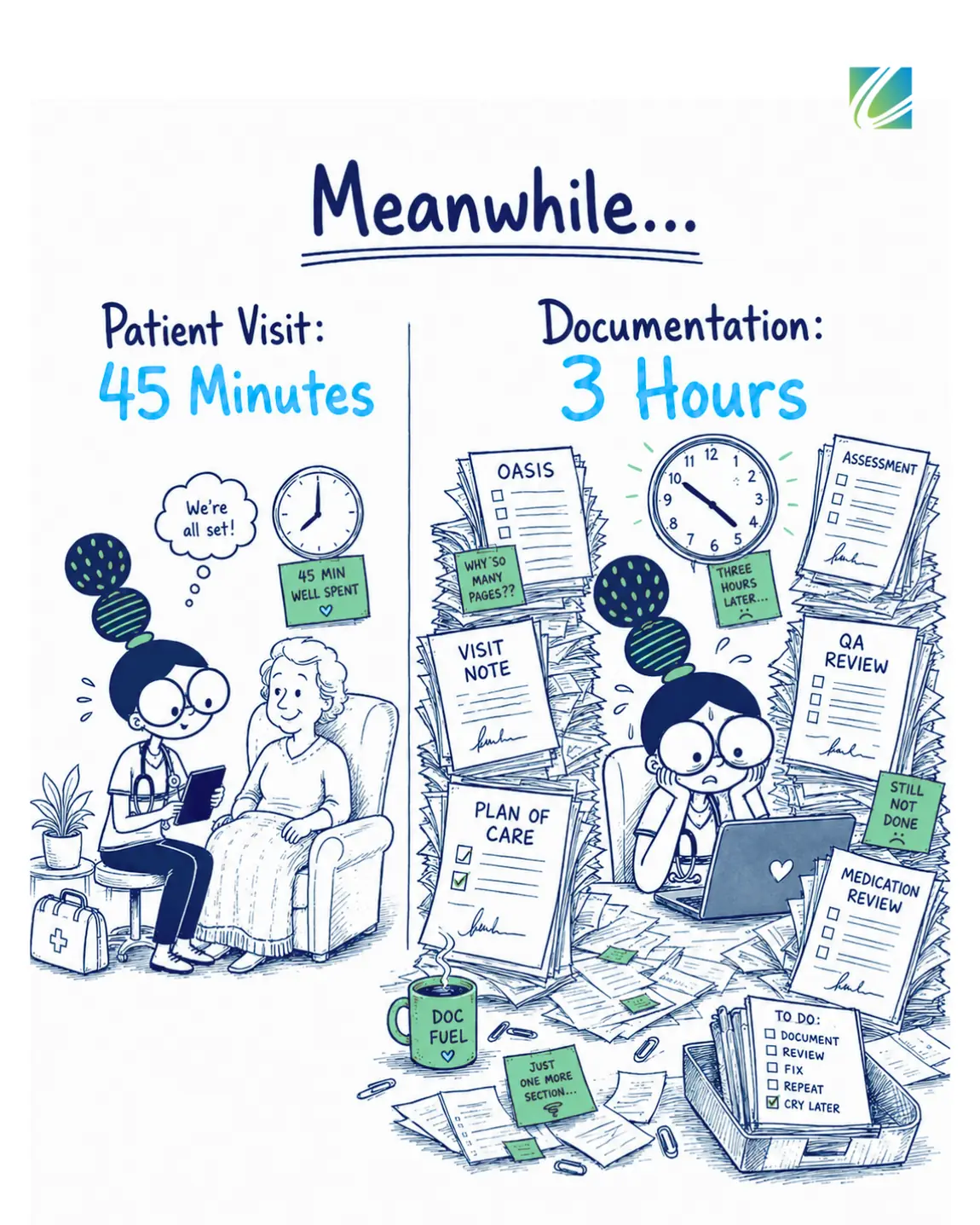
The visit takes 45 minutes; the documentation can take hours.
Start of Care visits can be even more demanding.
Completing:
- OASIS assessments
- Medication reconciliation
- Care plans
- Narrative documentation
can easily add several hours of charting after the workday has ended.
This phenomenon has become so common that clinicians often refer to it as:
'Pajama charting.'
The hidden cost of documentation includes:
- Less family time
- More stress
- Reduced job satisfaction
- Increased turnover
3. Clunky Electronic Health Record (EHR) Systems
Many home health agencies struggle with electronic health record systems that were not designed specifically for mobile, field-based clinicians. Instead of simplifying workflows, some home health EHR platforms add complexity through cumbersome interfaces, excessive clicks, and duplicate data entry requirements. Poor usability can significantly slow documentation, frustrate nurses, and reduce the amount of time clinicians can spend focused on patient care. As agencies grow, inefficient technology often becomes one of the biggest operational bottlenecks.
Common complaints include:
- Too many clicks
- Slow performance
- Duplicate data entry
- Poor mobile experience
- Rigid workflows
- Complex navigation
Instead of supporting nurses, some systems create additional administrative work.
Nurses often find themselves:
- Re-entering information
- Switching between screens
- Copying data manually
- Correcting formatting issues
The result is less time spent on patient care and more time spent fighting software.
4. OASIS Documentation Complexity
The Outcome and Assessment Information Set (OASIS) remains one of the most challenging aspects of home health documentation. OASIS assessments require nurses to collect detailed information about a patient's clinical condition, functional status, and care needs while adhering to highly specific CMS guidelines. Completing an accurate Start of Care assessment demands significant clinical judgment, attention to detail, and a deep understanding of reimbursement rules. Even minor documentation errors can affect payment, quality measures, and agency performance.
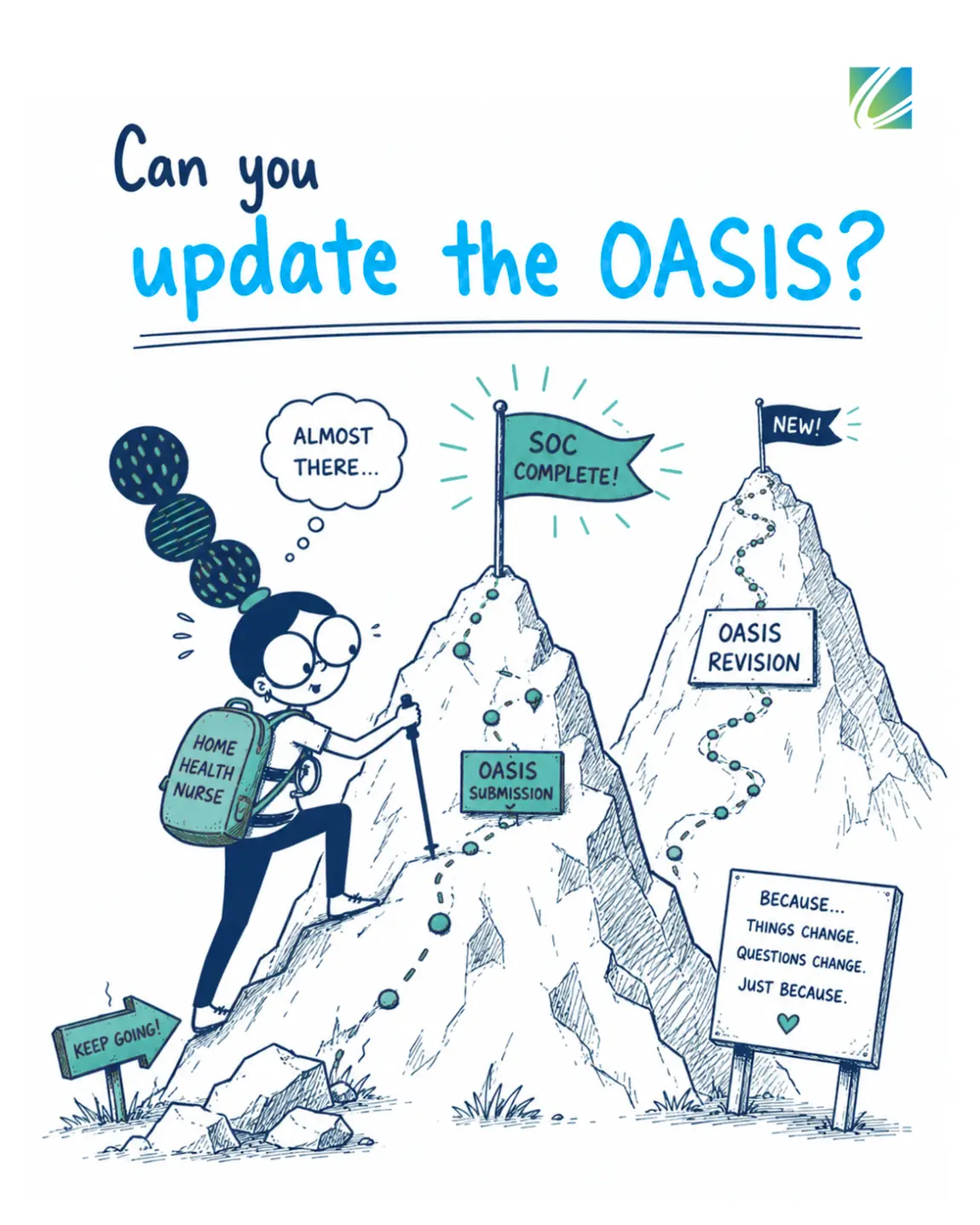
Just when the OASIS feels finished, a revision request sends nurses back up the mountain.
A Start of Care assessment can involve:
- More than 100 questions
- Multiple clinical judgments
- Functional scoring
- Risk assessments
- Medication reviews
- Narrative documentation
Small errors can have major consequences.
Incorrect OASIS documentation may impact:
- Reimbursement
- Quality measures
- Star Ratings
- Compliance
- Agency performance
The complexity of OASIS requires significant clinical expertise and attention to detail.
For many nurses, it is one of the most mentally demanding parts of the job.
5. Strict Reimbursement Requirements
In home health, documentation is directly connected to revenue. Unlike many other healthcare settings, agencies cannot bill accurately or receive reimbursement without complete and compliant documentation. Every note must clearly establish medical necessity, support the plan of care, and justify the services being provided. Incomplete or vague documentation can lead to claim denials, delayed cash flow, audits, and compliance risks. For home health agencies, strong documentation practices are essential for both clinical and financial success.
Every note must support:
- Medical necessity
- Skilled need
- Homebound status
- Plan of care
- Interventions provided
Vague or incomplete notes can lead to:
- Delayed claims
- Payment reductions
- Denials
- Audits
- Compliance risk
Documentation is no longer just a clinical activity.
It is directly tied to the financial health of the organization.
6. Working in Isolation
Home health nurses practice in one of the most independent environments in healthcare. They do not have immediate access to coworkers, charge nurses, or physicians when questions arise during patient visits. Because clinicians work alone in patients' homes, their documentation becomes the primary communication tool for the entire care team. This places enormous pressure on nurses to ensure that every note is complete, accurate, and detailed enough for others to understand the patient's condition and continue care safely.
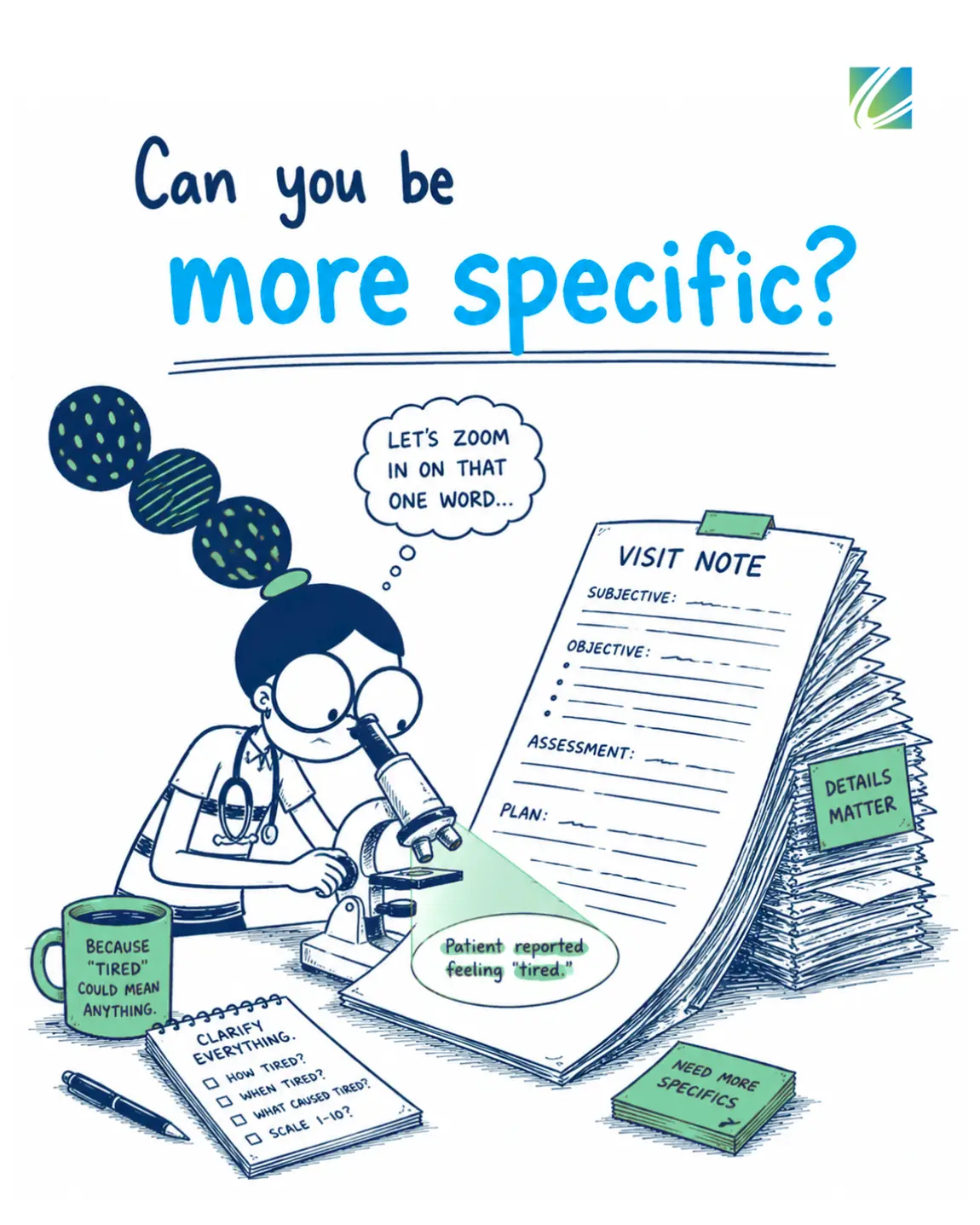
In home health, the note is the handoff, so vague wording invites a request for more specifics.
Hospital nurses can quickly ask a colleague:
'Did I document this correctly?'
Home health nurses often don't have that luxury.
They work independently in patients' homes, which means their documentation must communicate the entire clinical picture to:
- Physicians
- Therapists
- Quality teams
- Billing staff
- Future clinicians
This creates enormous pressure to ensure every note is:
- Thorough
- Accurate
- Complete
- Easy to understand
The documentation itself becomes the handoff between care teams.
7. Quality Assurance Corrections and Rework
For many home health nurses, documentation does not end after submitting a visit note. Quality assurance reviews frequently generate requests for corrections, clarifications, and additional information. This rework cycle can consume hours of administrative time and create frustration among clinicians who feel like they are documenting the same patient multiple times. The constant back-and-forth between nurses and QA teams contributes significantly to documentation fatigue and delays in billing.
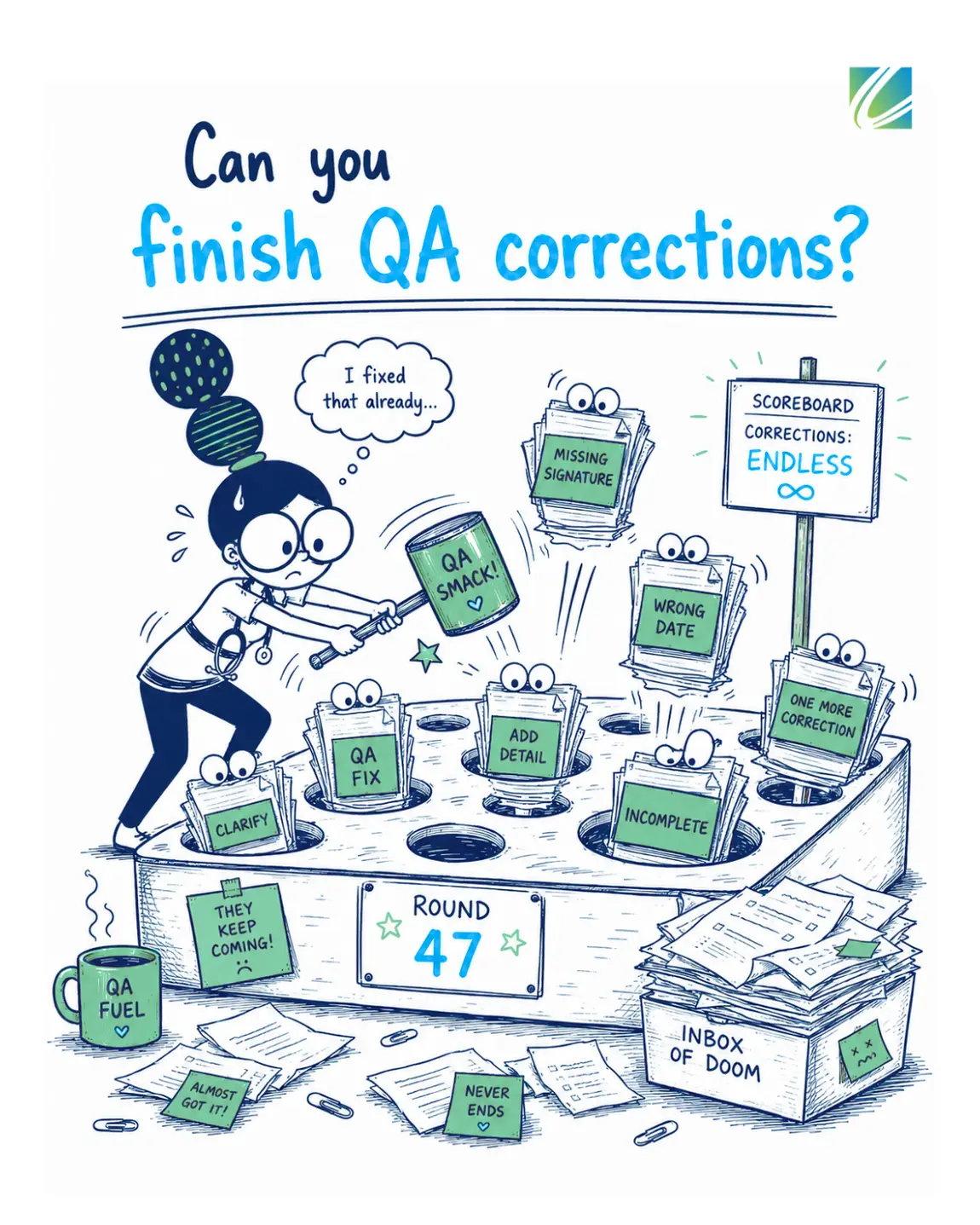
For many nurses, QA feels like an endless whack-a-mole of corrections and resubmissions.
Many clinicians receive:
- QA corrections
- Requests for clarification
- Additional documentation requirements
- Coding questions
This creates an endless loop of:
Visit → Document → Correct → Resubmit → Correct Again.
The administrative burden becomes frustrating and time-consuming.
8. After-Hours Charting and Burnout
Perhaps the most significant consequence of documentation burden is clinician burnout. Many home health nurses regularly finish charting after dinner, late at night, or on weekends and days off. What begins as 'just finishing a few notes' often becomes a routine part of the job. Over time, this constant after-hours work negatively impacts work-life balance, job satisfaction, and retention. Documentation burden has become one of the primary reasons experienced clinicians leave home health altogether.
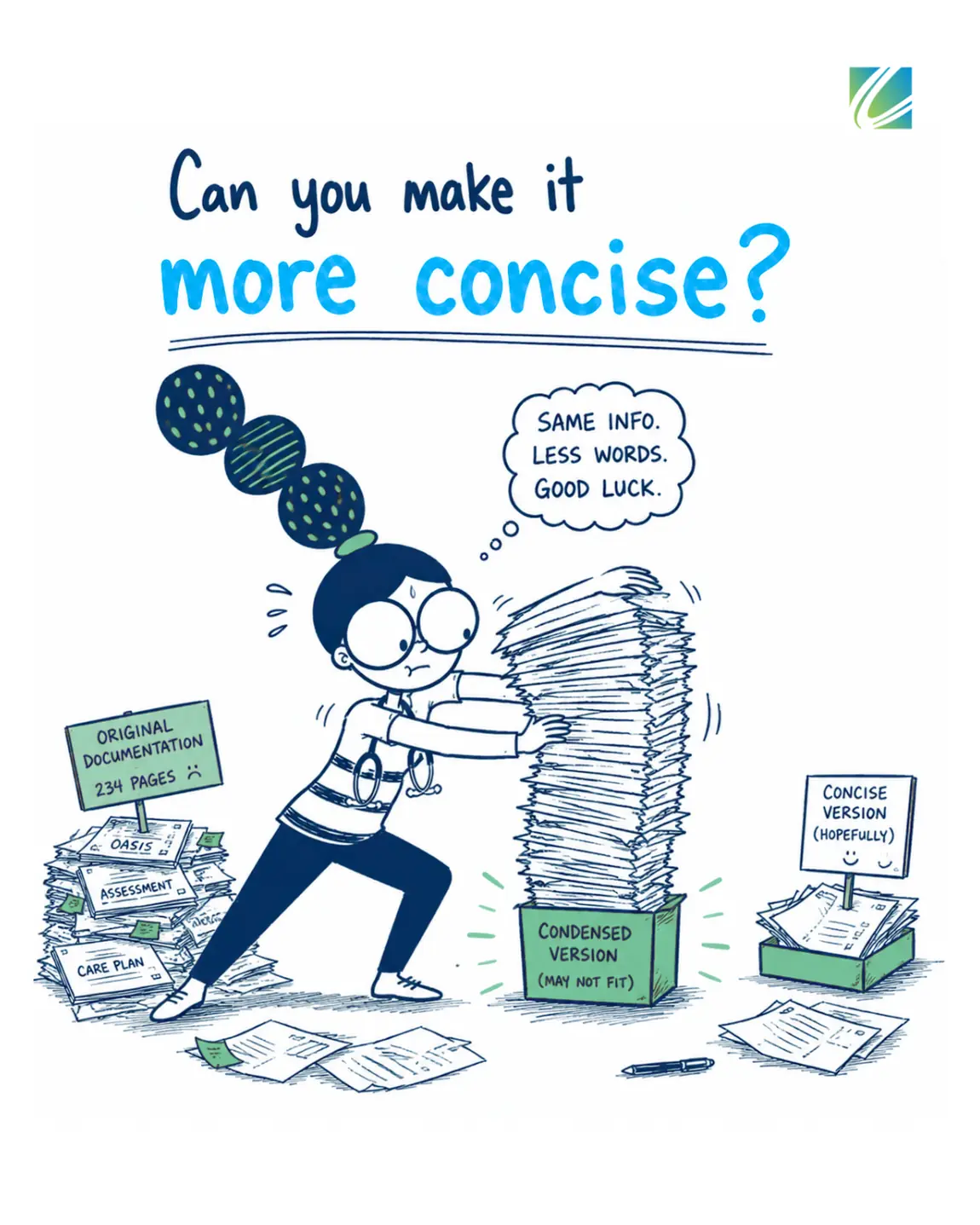
Same information, fewer words: the documentation burden keeps growing, and so do the after-hours.
Many home health clinicians regularly chart:
- After 7 PM
- After 9 PM
- On weekends
- On days off
The compounding effect of:
- Heavy caseloads
- Long documentation requirements
- Administrative burden
can eventually push talented nurses out of home health entirely.
The industry cannot afford to lose experienced clinicians because documentation has become unmanageable.
Why Documentation Challenges Matter
Documentation challenges are not simply a nurse productivity issue; they affect every aspect of home health operations. Incomplete or delayed documentation impacts patient outcomes, slows reimbursement, increases compliance risk, and contributes to staff turnover. As the demand for home-based care continues to rise, solving documentation inefficiencies has become one of the most important priorities for agencies looking to improve both clinician experience and financial performance.
They affect:
Patients
- Less face-to-face engagement
- Delayed care coordination
Agencies
- Slower billing
- Compliance risk
- Revenue loss
Clinicians
- Burnout
- Stress
- Lower retention
Reducing documentation burden has become one of the biggest opportunities in home health.
How Technology Is Beginning to Help
Modern AI-powered documentation platforms are beginning to address these challenges through:
Voice Documentation
Capture notes naturally during or immediately after visits.
OASIS Assistance
Generate draft assessments and narratives faster.
Referral Summaries
Automatically extract information from referral packets.
Medication Reconciliation
Reduce manual review and double entry.
Human-in-the-Loop Review
Allow clinicians to remain fully in control while reducing administrative work. Learn how human-in-the-loop review works.
The goal isn't to replace nurses.
The goal is to give nurses more time to be nurses.
Final Thoughts
Home health nurses face some of the most demanding documentation requirements in healthcare.
The biggest challenges include:
- Delayed charting
- Complex OASIS requirements
- Clunky EHR systems
- Strict reimbursement rules
- Working in isolation
- Endless corrections
- After-hours documentation
As the demand for home health services continues to grow, solving the documentation burden is no longer optional.
It's essential for:
- Clinician retention
- Patient outcomes
- Financial performance
- The future of home-based care.
🚀 Want to give your nurses their evenings back? Copper Digital's AI Documentation Agent supports voice capture, drafts OASIS assessments, extracts referral data, and reduces double entry, with a nurse reviewing and approving every note. Explore AI tools for home health nurses, or book a demo.
🎧 Related listening: On the Inside Home Health podcast, we break down why OASIS is the single hardest document in home health, the skip-logic, the goals and interventions, and the cost of getting it wrong.
Bottom Line
Home health nurses carry one of healthcare's heaviest documentation loads, from delayed point-of-care charting and OASIS complexity to clunky EHRs and endless QA rework.

The Copper Clinical Team brings together nurses and clinical documentation specialists focused on home health, OASIS accuracy, and human-in-the-loop AI. They write about the tools and workflows helping clinicians reduce administrative burden and grow their careers.
Frequently asked
Frequently asked questions
The biggest challenges include time-consuming charting, delayed documentation, complex compliance requirements, clunky EHR systems, and maintaining accuracy while managing heavy patient caseloads.
Join the conversation
Leave a comment
Related reading
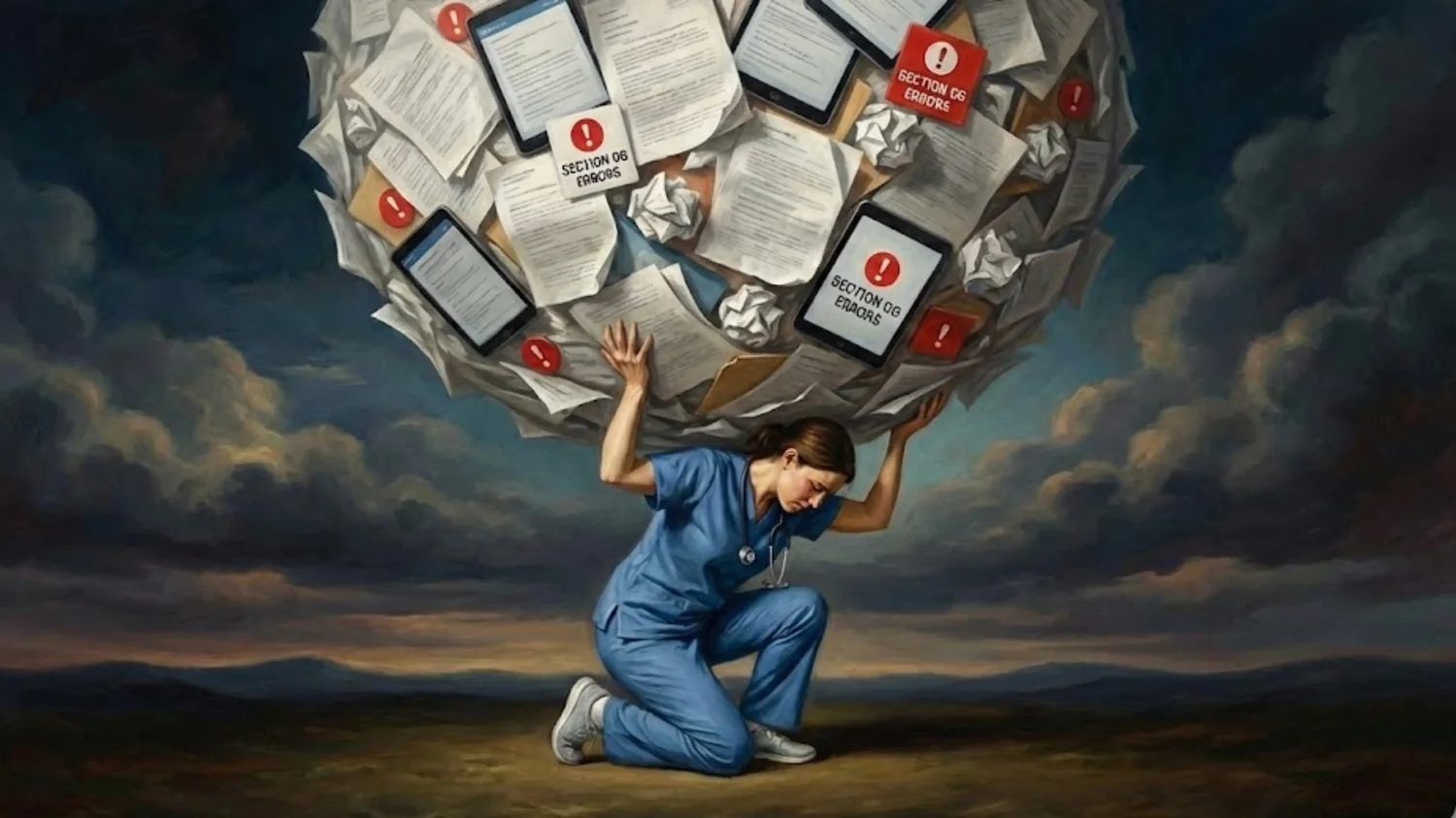
Why OASIS Documentation Is Burning Out Your Nurses
OASIS documentation is the CMS-required Outcome and Assessment Information Set that home health nurses complete for Medicare patients. With more than 100 data elements and a Start of Care assessment that takes 60 to 90 minutes, it often follows nurses home as after-hours 'pajama time,' making it a leading cause of home health nurse burnout. AI-powered documentation with human-in-the-loop review can cut charting time and give nurses their evenings back.

The Hidden Cost of Late Nursing Documentation
Late nursing documentation is far more than an administrative inconvenience. Delayed charting increases patient safety risks, creates handoff gaps, triggers claim denials and undercoding, raises legal and audit exposure, and accelerates nurse burnout and turnover, costing healthcare organizations millions. Most delays happen because nurses lack time to chart in real time, and AI and point-of-care documentation tools can give that time back.

Home Health Is Not What Most People Think It Is
Most people, even those who work near the industry, misunderstand what home health is. Kathy Duckett, RN, explains the bridge it was designed to be, how it differs from home care and hospice, why OASIS accuracy is everything, and where AI can genuinely help nurses.